
📷 Image: Wikimedia Commons / Subhashish Panigrahi
Crime
Supreme Court Says Mob Burning Police Station Does Not Justify UAPA in Haldwani
✍️ Business Standard
🗓 31 Jul 2026, 04:49 PM
👁 34
The Supreme Court ruled that the incident of a mob burning a police station in Haldwani does not warrant the application of the Unlawful Activities (Prevention) Act.
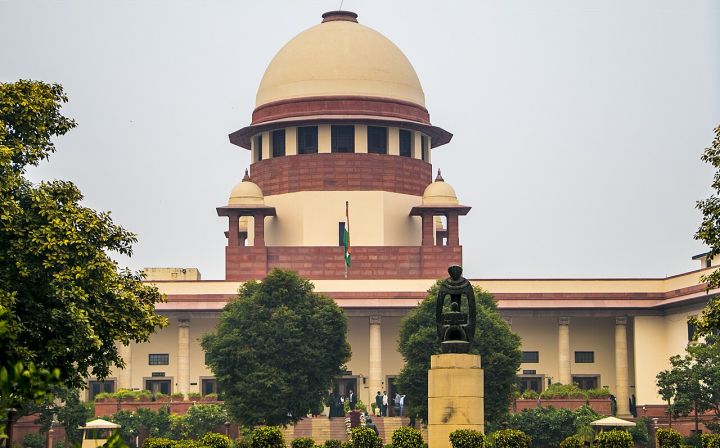
The Supreme Court of India on Tuesday held that the act of a mob setting fire to a police station in Haldwani, Uttarakhand, does not justify invoking the Unlawful Activities (Prevention) Act (UAPA). The court emphasized that UAPA is intended for serious offenses such as terrorism and insurgency, and there was no evidence linking the incident to any such activity.
The judgment was delivered in a hearing that examined the circumstances surrounding the violence, which erupted after a protest in the town. While the police station was damaged, the court found that the incident was a spontaneous act of civil unrest rather than an organized terrorist attack.
Justice S. R. Sharma, who presided over the case, noted that the use of UAPA should be limited to cases where the law is clearly applicable. He warned that misuse of the act could undermine civil liberties and lead to unjust prosecutions.
The ruling is expected to influence how authorities respond to similar incidents in the future, ensuring that the stringent provisions of UAPA are applied only when warranted by the facts.
The judgment was delivered in a hearing that examined the circumstances surrounding the violence, which erupted after a protest in the town. While the police station was damaged, the court found that the incident was a spontaneous act of civil unrest rather than an organized terrorist attack.
Justice S. R. Sharma, who presided over the case, noted that the use of UAPA should be limited to cases where the law is clearly applicable. He warned that misuse of the act could undermine civil liberties and lead to unjust prosecutions.
The ruling is expected to influence how authorities respond to similar incidents in the future, ensuring that the stringent provisions of UAPA are applied only when warranted by the facts.