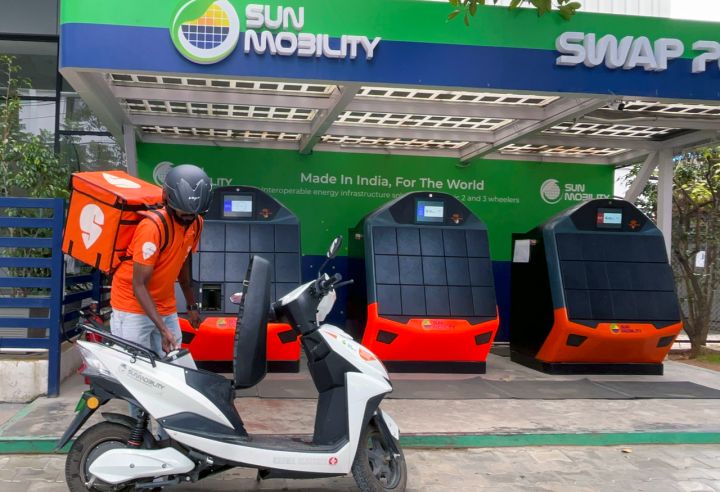
📷 Image: Wikimedia Commons / Eshshiv
Business
Maharashtra Govt Considers Regulating Swiggy, Zomato, Zepto as Bike‑Taxi Operators
✍️ business-standard.com
🗓 08 Aug 2026, 02:03 PM
👁 35
The Maharashtra government is exploring the possibility of bringing major food‑delivery and grocery platforms Swiggy, Zomato and Zepto under the existing bike‑taxi regulatory framework.
The state government has announced that it is studying the feasibility of extending bike‑taxi regulations to popular delivery platforms Swiggy, Zomato and Zepto. The proposal aims to bring these services under the same licensing, safety and fare‑control norms that govern traditional bike‑taxi operators.
Under the current framework, bike‑taxi riders must hold a valid license, adhere to safety guidelines and display a government‑issued permit. By applying the same rules to delivery riders, the government hopes to standardise operating conditions and improve consumer protection.
The decision follows growing concerns about rider safety, fare transparency and the environmental impact of the rapid rise in delivery‑bike usage across the state. Officials have not yet released a timetable for implementation, but a formal notification is expected in the coming weeks.
Industry observers note that the move could affect the business models of the three platforms, which currently operate under separate regulatory regimes. The companies have yet to comment on the proposal.
Under the current framework, bike‑taxi riders must hold a valid license, adhere to safety guidelines and display a government‑issued permit. By applying the same rules to delivery riders, the government hopes to standardise operating conditions and improve consumer protection.
The decision follows growing concerns about rider safety, fare transparency and the environmental impact of the rapid rise in delivery‑bike usage across the state. Officials have not yet released a timetable for implementation, but a formal notification is expected in the coming weeks.
Industry observers note that the move could affect the business models of the three platforms, which currently operate under separate regulatory regimes. The companies have yet to comment on the proposal.