
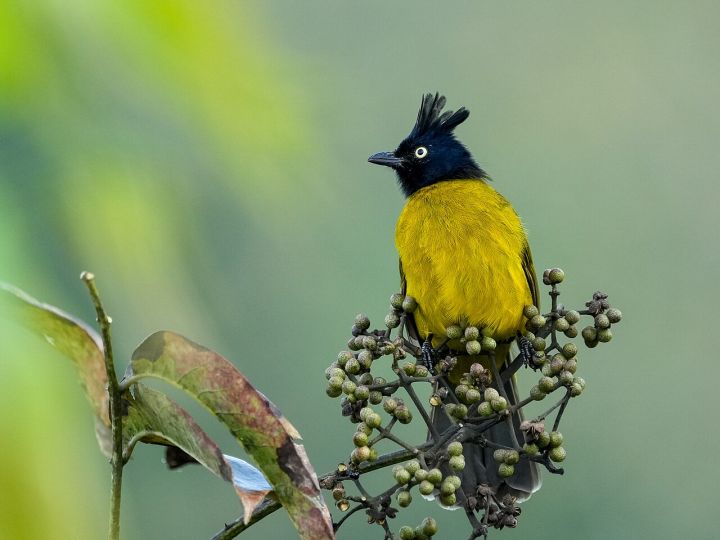
📷 Image: Wikimedia Commons / This Photo was taken by Timothy A. Gonsalves. Fee
Weather
2025 Recorded as Warmest Year in Meghalaya Since 1901, IMD Reports
✍️ The New Indian Express
🗓 07 Nov 2026, 04:46 PM
👁 13
The Indian Meteorological Department’s latest data shows 2025 as the warmest year in Meghalaya since records began in 1901.
The Indian Meteorological Department (IMD) released a climatological report confirming that 2025 has been the warmest year in Meghalaya since the agency began systematic temperature recordings in 1901. The assessment, cited by The New Indian Express, indicates that average temperatures across the state this year exceeded those of any previous year on record.
IMD officials highlighted that the upward trend aligns with broader warming patterns observed across the Indian subcontinent, though the department stopped short of attributing the rise to any single cause. The agency’s data will feed into ongoing climate monitoring and policy discussions at both state and national levels.
Environmental groups in the region have warned that sustained temperature increases could exacerbate challenges such as shifting agricultural cycles, heightened risk of landslides, and pressure on water resources. The IMD report underscores the need for continued observation and adaptive measures to mitigate potential impacts.
State authorities have pledged to incorporate the findings into Meghalaya’s climate action plans, aiming to strengthen early‑warning systems and promote resilient farming practices. The report serves as a benchmark for future assessments of the state’s climate trajectory.
The IMD will continue to update its temperature database annually, providing a critical reference point for scientists, policymakers, and the public as the state navigates a warming climate.