
📷 Image: Wikimedia Commons / Arturo de Frias Marques
Science
Whale sharks to receive first Konkani name, reflecting Goa’s cultural heritage
✍️ The Times of India
🗓 31 Aug 2026, 05:33 AM
👁 3
For the first time, the giant whale shark will be given a Konkani name, a move that ties the species to Goa’s maritime traditions.
The Times of India reports that a formal Konkani name for the whale shark is being introduced for the first time. The initiative aims to embed the world’s largest fish within Goa’s linguistic and cultural framework, acknowledging the species’ regular presence in the state’s coastal waters.
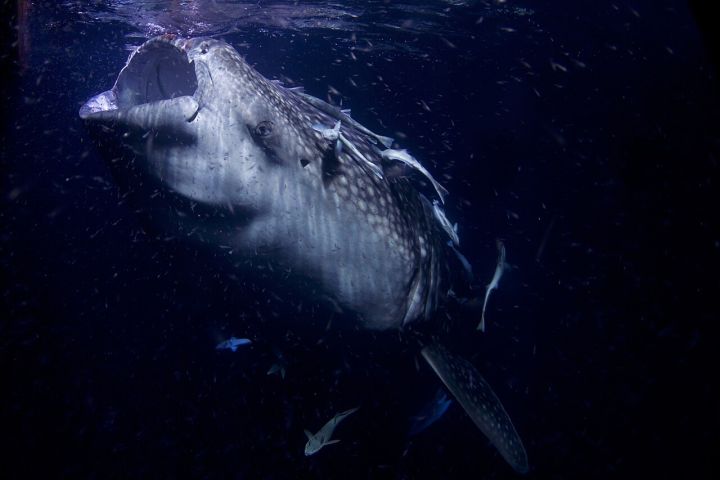
Whale sharks, known scientifically as Rhincodon typus, are filter‑feeding giants that often migrate along the western coast of India, including the beaches of Goa. By assigning a local name, authorities and cultural groups hope to raise awareness about the species and promote its conservation among Konkani‑speaking communities.
The naming effort is part of a broader push to celebrate Goa’s maritime heritage, linking traditional knowledge with modern marine science. It also underscores the importance of regional languages in environmental discourse.
While details of the exact name have not been disclosed, the move signals a collaborative approach between marine biologists, cultural historians and local stakeholders to foster a sense of ownership and responsibility toward the ocean’s iconic inhabitants.
Whale sharks, known scientifically as Rhincodon typus, are filter‑feeding giants that often migrate along the western coast of India, including the beaches of Goa. By assigning a local name, authorities and cultural groups hope to raise awareness about the species and promote its conservation among Konkani‑speaking communities.
The naming effort is part of a broader push to celebrate Goa’s maritime heritage, linking traditional knowledge with modern marine science. It also underscores the importance of regional languages in environmental discourse.
While details of the exact name have not been disclosed, the move signals a collaborative approach between marine biologists, cultural historians and local stakeholders to foster a sense of ownership and responsibility toward the ocean’s iconic inhabitants.