
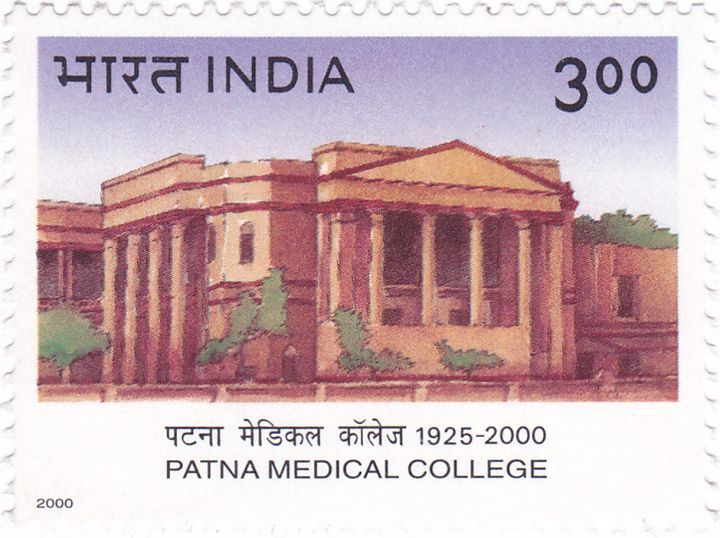
📷 Image: Wikimedia Commons / India Post, Government of India
Health
Two Swine Flu Cases Detected in Patna as Bihar Hospitals Remain Unprepared
✍️ Amar Ujala · Bihar
🗓 27 Aug 2026, 12:02 PM
👁 4
Two patients testing positive for swine flu were identified in Patna, while state hospitals still lack dedicated isolation wards and antiviral stockpiles, despite a recent alert in Delhi.
Two individuals in Patna have tested positive for the H1N1 influenza virus, commonly known as swine flu, prompting local health officials to raise concerns about community spread. The cases were confirmed after the patients presented with high fever, cough and respiratory distress, symptoms typical of the disease.
The detection comes shortly after Delhi issued a swine flu alert, warning of rising infections in the national capital and urging neighboring states to heighten surveillance. Health authorities in Bihar have been monitoring the situation, but the emergence of cases in the state capital underscores the virus's potential to move across regions.
State-run hospitals in Bihar, however, remain ill‑equipped to manage a surge. Reports indicate that most facilities lack dedicated isolation wards and have not stocked sufficient antiviral medications such as oseltamivir, which are essential for early treatment.
The health department has acknowledged the gaps and said it is working to procure the necessary drugs and set up isolation units, but officials admit that preparations are still incomplete. Meanwhile, patients are being referred to private clinics that can provide the required care, and public advisories stress hygiene and prompt medical attention for flu‑like symptoms.
The detection comes shortly after Delhi issued a swine flu alert, warning of rising infections in the national capital and urging neighboring states to heighten surveillance. Health authorities in Bihar have been monitoring the situation, but the emergence of cases in the state capital underscores the virus's potential to move across regions.
State-run hospitals in Bihar, however, remain ill‑equipped to manage a surge. Reports indicate that most facilities lack dedicated isolation wards and have not stocked sufficient antiviral medications such as oseltamivir, which are essential for early treatment.
The health department has acknowledged the gaps and said it is working to procure the necessary drugs and set up isolation units, but officials admit that preparations are still incomplete. Meanwhile, patients are being referred to private clinics that can provide the required care, and public advisories stress hygiene and prompt medical attention for flu‑like symptoms.