
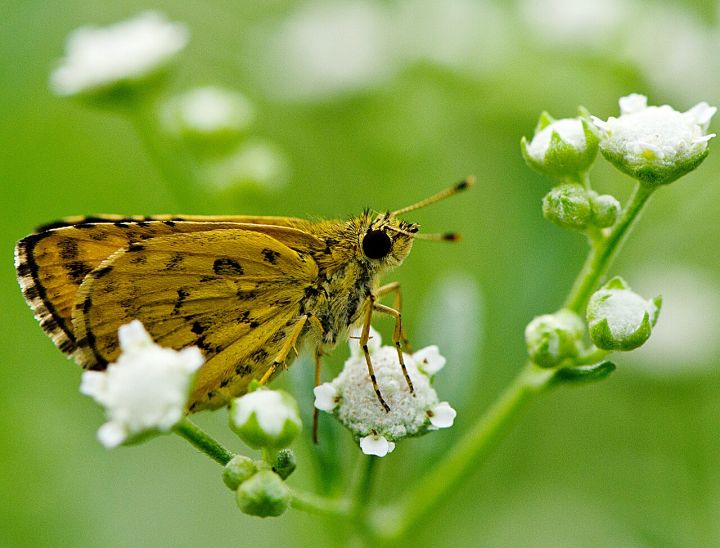
📷 Image: Wikimedia Commons / Uajith
Agriculture
Toxic Parthenium Weed Invades Kaliabor, Assam, Threatening Biodiversity and Health
✍️ India Today NE
🗓 28 Aug 2026, 01:37 PM
👁 58
Parthenium, a toxic invasive weed, is rapidly spreading across the Kaliabor region of Assam, raising concerns among environmentalists and health officials about its impact on local ecosystems and public health.
The invasive parthenium weed, known for its toxic properties, has been observed proliferating across fields and roadside verges in the Kaliabor area of Assam. Local surveys conducted in recent weeks show a marked increase in its coverage, displacing native grasses and shrubs.
Environmental experts warn that the unchecked growth of parthenium could upset the region's biodiversity. The weed outcompetes indigenous plant species, reducing food sources for insects, birds and small mammals that depend on native flora.
Health authorities have also issued alerts, noting that parthenium pollen is a potent allergen. Residents near affected zones report higher incidences of respiratory irritation, skin rashes and hay‑fever‑like symptoms during the flowering season.
State officials are urging swift action, recommending mechanical removal, controlled burning and the use of herbicides where appropriate. Community participation and awareness campaigns are being planned to curb further spread and protect both the environment and public health.
Environmental experts warn that the unchecked growth of parthenium could upset the region's biodiversity. The weed outcompetes indigenous plant species, reducing food sources for insects, birds and small mammals that depend on native flora.
Health authorities have also issued alerts, noting that parthenium pollen is a potent allergen. Residents near affected zones report higher incidences of respiratory irritation, skin rashes and hay‑fever‑like symptoms during the flowering season.
State officials are urging swift action, recommending mechanical removal, controlled burning and the use of herbicides where appropriate. Community participation and awareness campaigns are being planned to curb further spread and protect both the environment and public health.