
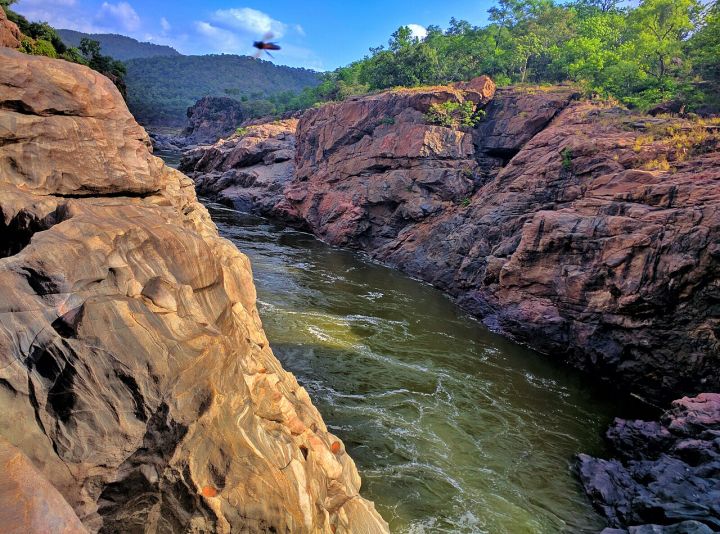
📷 Image: Wikimedia Commons / Abhiram24
Politics
Tamil Nadu faces pressure over Mekedatu project and new Mullaperiyar dam proposal
✍️ The Times of India
🗓 21 Aug 2026, 08:03 AM
👁 4
The proposals to advance Karnataka’s Mekedatu reservoir and a revised Mullaperiyar dam have put Tamil Nadu in a difficult position, sparking inter‑state tensions over water sharing.
The governments of Karnataka and Tamil Nadu are currently at odds over two high‑profile water projects – the Mekedatu reservoir on the Cauvery River and a newly pitched version of the Mullaperiyar dam. Both proposals have been presented as solutions to water scarcity, but Tamil Nadu argues that they could exacerbate existing supply deficits and violate prior agreements.
Mekedatu, planned on a tributary of the Cauvery in Karnataka, is intended to divert water to the state’s arid interior and generate hydroelectric power. While Karnataka officials tout its economic benefits, Tamil Nadu contends that the diversion would reduce downstream flows, affecting agriculture and drinking water supplies in its own districts.
The Mullaperiyar dam, originally built in the 19th century, is now being revisited with a plan to raise its height and increase storage capacity. Tamil Nadu, which relies on the dam’s regulated releases, fears that the modification could lead to uncontrolled releases during heavy rains, posing a safety risk to communities along the Periyar River.
State leaders have called for urgent inter‑state talks, with Tamil Nadu demanding a clear, legally binding water-sharing formula before any construction proceeds. The central government is expected to mediate, but the impasse highlights the broader challenges of managing shared river resources in a water‑stressed nation.
Mekedatu, planned on a tributary of the Cauvery in Karnataka, is intended to divert water to the state’s arid interior and generate hydroelectric power. While Karnataka officials tout its economic benefits, Tamil Nadu contends that the diversion would reduce downstream flows, affecting agriculture and drinking water supplies in its own districts.
The Mullaperiyar dam, originally built in the 19th century, is now being revisited with a plan to raise its height and increase storage capacity. Tamil Nadu, which relies on the dam’s regulated releases, fears that the modification could lead to uncontrolled releases during heavy rains, posing a safety risk to communities along the Periyar River.
State leaders have called for urgent inter‑state talks, with Tamil Nadu demanding a clear, legally binding water-sharing formula before any construction proceeds. The central government is expected to mediate, but the impasse highlights the broader challenges of managing shared river resources in a water‑stressed nation.