
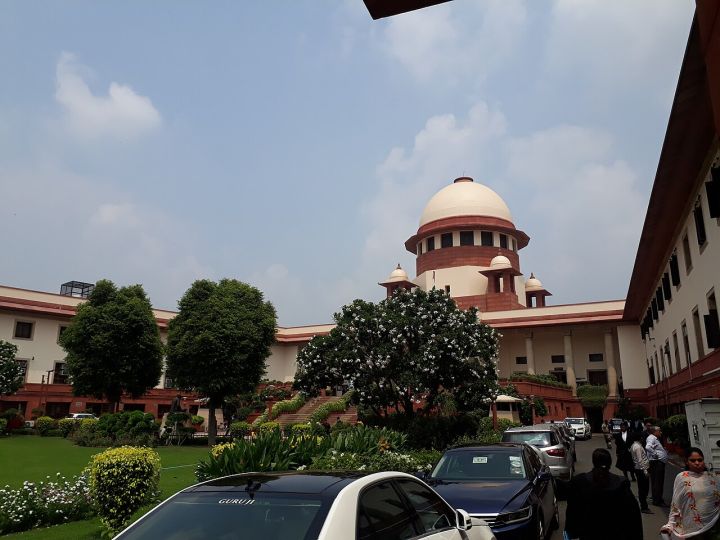
📷 Image: Wikimedia Commons / Pinakpani
Crime
Supreme Court commutes death penalty to life imprisonment in stepdaughter rape‑murder case
✍️ India Today
🗓 25 Sep 2026, 02:01 AM
👁 11
The apex court reduced the death sentence of a man convicted of raping and killing his minor stepdaughter to life imprisonment.
In a recent judgment, the Supreme Court of India altered the punishment of a convicted murderer, replacing the death penalty with a life term. The offender had been found guilty of raping and subsequently killing his minor stepdaughter, a crime that had earlier attracted nationwide attention.
The apex court, after a detailed review of the case records and arguments presented by both the prosecution and defence, concluded that the circumstances warranted a commutation of the capital sentence. While the court upheld the conviction, it determined that life imprisonment was the appropriate punishment under the prevailing legal standards.
Legal experts note that such revisions are rare and reflect the court's discretion in balancing the severity of the crime with considerations of jurisprudence. The decision ensures that the perpetrator will remain incarcerated for the remainder of his natural life, without the prospect of parole.
The ruling has been welcomed by the victim's family as a measure of continued justice, while also sparking discussions on the broader application of death penalties in cases involving sexual violence against minors.
The apex court, after a detailed review of the case records and arguments presented by both the prosecution and defence, concluded that the circumstances warranted a commutation of the capital sentence. While the court upheld the conviction, it determined that life imprisonment was the appropriate punishment under the prevailing legal standards.
Legal experts note that such revisions are rare and reflect the court's discretion in balancing the severity of the crime with considerations of jurisprudence. The decision ensures that the perpetrator will remain incarcerated for the remainder of his natural life, without the prospect of parole.
The ruling has been welcomed by the victim's family as a measure of continued justice, while also sparking discussions on the broader application of death penalties in cases involving sexual violence against minors.