
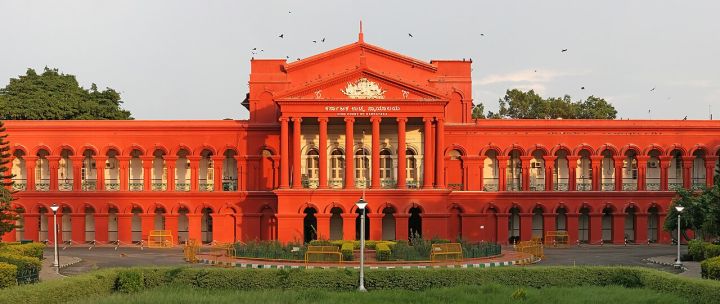
📷 Image: Wikimedia Commons / Muhammad Mahdi Karim/ Augustus Binu
Education
Karnataka High Court Declares SC‑ST Reservation Over 50% Unconstitutional
✍️ India Today
🗓 13 Oct 2026, 04:31 AM
👁 11
The Karnataka High Court has struck down a state reservation policy that allocated more than 50% seats to Scheduled Castes and Scheduled Tribes, citing violation of equality principles.
The Karnataka High Court on Monday invalidated a state government order that set the combined quota for Scheduled Castes (SC) and Scheduled Tribes (ST) at 55 percent in educational institutions. The bench held that the figure exceeds the ceiling prescribed by the Supreme Court, thereby breaching the constitutional guarantee of equality.
In its judgment, the court observed that while affirmative action is permissible, it must remain within the limits laid down by precedent, which caps reservations at 50 percent. The order, issued earlier this year, had sparked protests from opposition parties and civil‑society groups who argued that it undermined merit‑based admissions.
The ruling mandates the state to revise its reservation framework before the next admission cycle. The government has been asked to submit a compliance report within 30 days, and any further implementation of the over‑quota policy will be considered illegal.
Legal experts note that the decision reinforces the Supreme Court's 1992 Indra Sawhney verdict and signals that any future attempts to exceed the 50‑percent ceiling will face judicial scrutiny.
The High Court's decision is expected to influence similar reservation debates in other states, where governments have been exploring higher quotas for marginalized communities.
In its judgment, the court observed that while affirmative action is permissible, it must remain within the limits laid down by precedent, which caps reservations at 50 percent. The order, issued earlier this year, had sparked protests from opposition parties and civil‑society groups who argued that it undermined merit‑based admissions.
The ruling mandates the state to revise its reservation framework before the next admission cycle. The government has been asked to submit a compliance report within 30 days, and any further implementation of the over‑quota policy will be considered illegal.
Legal experts note that the decision reinforces the Supreme Court's 1992 Indra Sawhney verdict and signals that any future attempts to exceed the 50‑percent ceiling will face judicial scrutiny.
The High Court's decision is expected to influence similar reservation debates in other states, where governments have been exploring higher quotas for marginalized communities.