
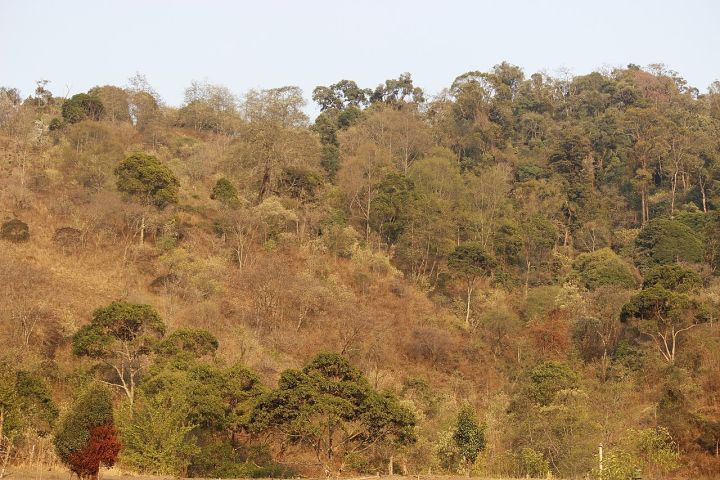
📷 Image: Wikimedia Commons / Joli Rumi
Agriculture
Jhum Shifting Cultivation Not Primary Cause of Nagaland’s Forest Loss, Says MorungExpress
✍️ MorungExpress
🗓 24 Nov 2026, 07:32 PM
👁 8
A MorungExpress analysis challenges the view that jhum, the traditional shifting cultivation, is the main driver of forest loss in Nagaland, pointing to other factors instead.
A recent piece in MorungExpress argues that the long‑held belief linking jhum (shifting cultivation) to Nagaland's forest depletion is misplaced. The article cites recent studies and satellite data that show forest cover loss correlating more closely with infrastructure projects, commercial logging and land‑use changes unrelated to traditional agriculture.
The report emphasizes that jhum, practiced by tribal communities on a small scale, follows a fallow cycle that allows forest regeneration. It warns that attributing forest decline solely to this age‑old practice oversimplifies a complex environmental issue and may divert policy focus from the real drivers.
Experts quoted in the article call for a nuanced approach, urging state authorities to address illegal logging, road expansion and mining while supporting sustainable livelihood options for hill communities. The analysis seeks to reshape public discourse and inform future conservation strategies in the region.