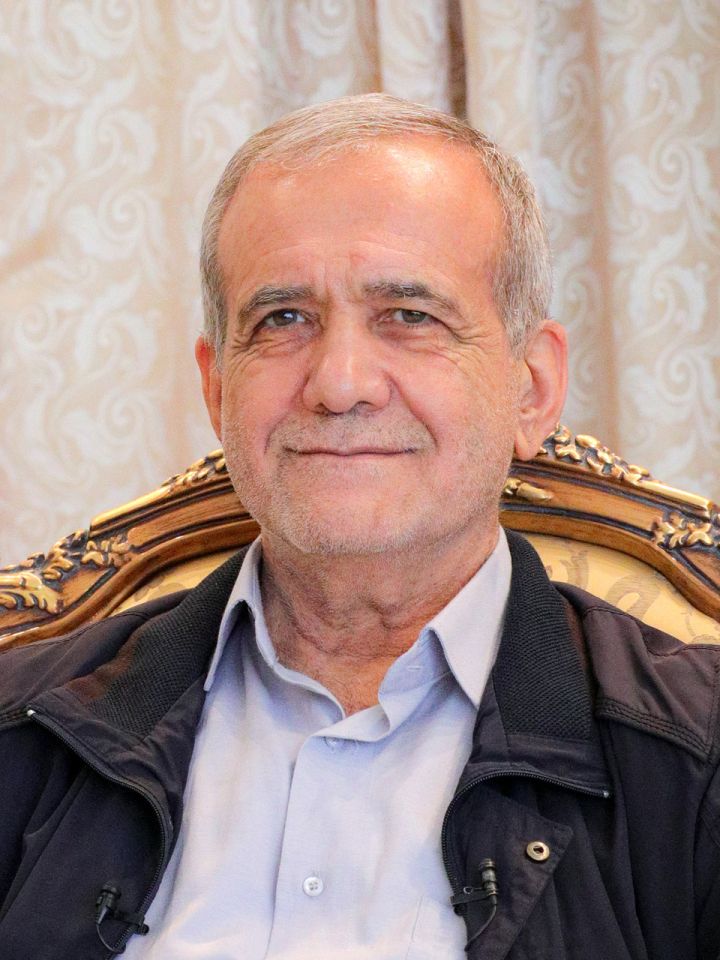
📷 Image: Wikimedia Commons / khamenei.ir
International
Iran’s Foreign Minister Urges BRICS to Boost Trade in National Currencies
✍️ Amar Ujala
🗓 13 Sep 2026, 05:37 PM
👁 5
Masoud Pezeshkian, Iran’s foreign minister, called on BRICS nations to expand trade using their own currencies at the summit, seeking to reduce dependence on the U.S. dollar. He also addressed the impact of U.S. sanctions on global food security.
At the recent BRICS summit, Masoud Pezeshkian urged the bloc’s members to increase trade conducted in their respective national currencies. The Iranian foreign minister said that moving away from the U.S. dollar would strengthen economic ties within the group and reduce vulnerability to external pressures.
Pezeshkian highlighted that a shift to local currencies could facilitate smoother transactions and lower transaction costs for member states. He also noted that such a move would support the broader goal of economic sovereignty.
In addition to the currency proposal, Pezeshkian addressed the issue of U.S. sanctions, stating that they have had a detrimental effect on global food security. He called for coordinated international efforts to mitigate these impacts and ensure stable food supplies worldwide.
The Iranian minister’s remarks come as BRICS nations continue to explore ways to diversify their trade mechanisms amid growing geopolitical tensions. The summit’s discussions are expected to shape future economic policies within the bloc.
Pezeshkian highlighted that a shift to local currencies could facilitate smoother transactions and lower transaction costs for member states. He also noted that such a move would support the broader goal of economic sovereignty.
In addition to the currency proposal, Pezeshkian addressed the issue of U.S. sanctions, stating that they have had a detrimental effect on global food security. He called for coordinated international efforts to mitigate these impacts and ensure stable food supplies worldwide.
The Iranian minister’s remarks come as BRICS nations continue to explore ways to diversify their trade mechanisms amid growing geopolitical tensions. The summit’s discussions are expected to shape future economic policies within the bloc.