
📷 Image: Wikimedia Commons / Pinakpani
Weather
Delhi's 43°C Heat Feels Worse Than Paris: Understanding the Science
✍️ Business Today
🗓 29 Jun 2026, 03:32 PM
👁 30
While both Paris and Delhi can experience extreme temperatures reaching 43°C, the perceived discomfort differs significantly due to scientific factors like humidity and urban heat island effects.
Despite identical high temperatures of 43°C, residents in Delhi experience a more severe heat impact compared to those in Paris. This difference is primarily attributed to scientific factors influencing how heat is perceived and its physiological effects.
Key among these factors is humidity. Delhi typically experiences higher levels of humidity, which significantly hinders the body's natural cooling mechanism – evaporation. When sweat doesn't evaporate efficiently due to high moisture in the air, the body retains heat, leading to a greater feeling of discomfort and a higher effective temperature.
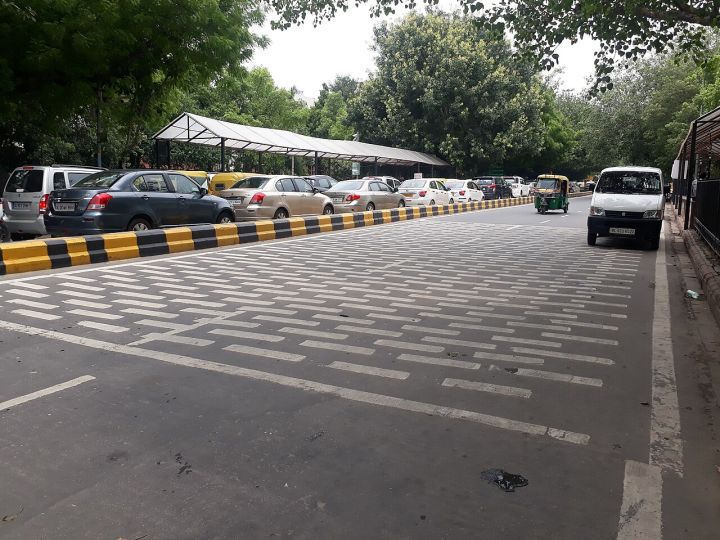
Furthermore, urban development plays a crucial role. Delhi, like many rapidly growing megacities, is significantly affected by the urban heat island effect. This phenomenon occurs when concrete structures, asphalt, and a lack of green spaces absorb and retain more solar heat, leading to higher ambient temperatures in urban areas compared to surrounding rural regions. Paris, while also a major city, may have different urban planning characteristics and potentially more green cover contributing to a slightly less intense heat experience at the same recorded temperature.
Key among these factors is humidity. Delhi typically experiences higher levels of humidity, which significantly hinders the body's natural cooling mechanism – evaporation. When sweat doesn't evaporate efficiently due to high moisture in the air, the body retains heat, leading to a greater feeling of discomfort and a higher effective temperature.
Furthermore, urban development plays a crucial role. Delhi, like many rapidly growing megacities, is significantly affected by the urban heat island effect. This phenomenon occurs when concrete structures, asphalt, and a lack of green spaces absorb and retain more solar heat, leading to higher ambient temperatures in urban areas compared to surrounding rural regions. Paris, while also a major city, may have different urban planning characteristics and potentially more green cover contributing to a slightly less intense heat experience at the same recorded temperature.