
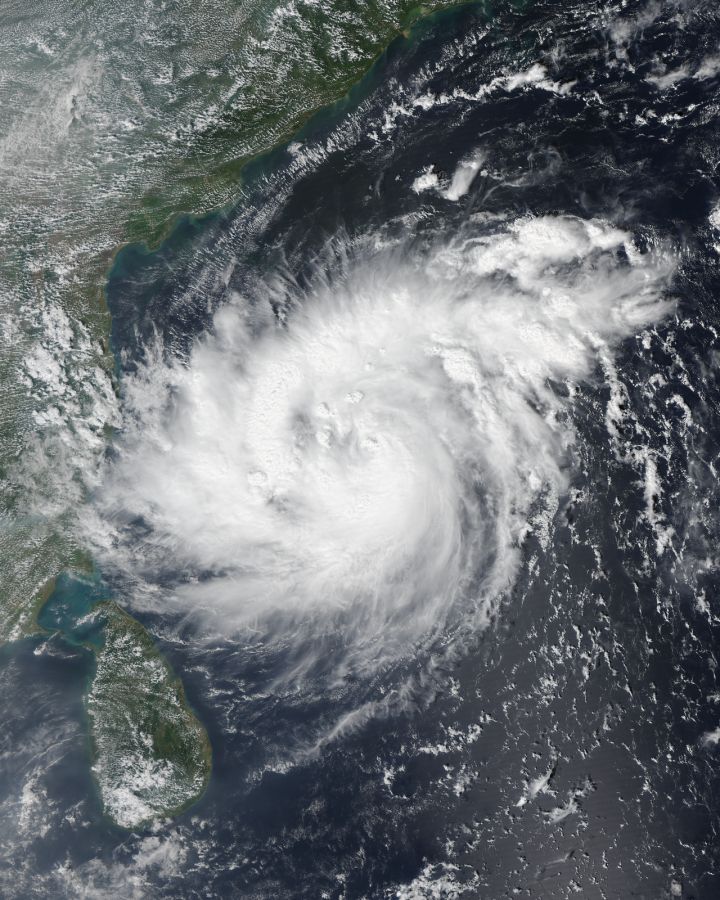
📷 Image: Wikimedia Commons / VIIRS imagery from NOAA's NOAA20 satellite
Weather
Cyclone Murasu Looms Over Bengal, Threatening Winter Weather
✍️ Asianet Newsable
🗓 03 Nov 2026, 04:37 AM
👁 15
Cyclone Murasu is expected to influence weather patterns in West Bengal, potentially altering temperatures and precipitation during the upcoming winter season.
Cyclone Murasu, a low‑pressure system developing in the Bay of Bengal, is projected to intensify over the next 48 hours and may track towards the eastern coast of India. Meteorological departments have issued a warning that the cyclone could bring strong winds, heavy rainfall and a surge in sea‑level pressure over West Bengal.
The Indian Meteorological Department (IMD) predicts that the cyclone’s passage could lead to a temporary drop in temperatures across the state, as cooler air from the north is drawn in. In addition, the increased moisture from the cyclone is likely to raise the humidity levels, potentially resulting in more frequent fog and drizzle during the winter months.
Authorities in Kolkata and surrounding districts have advised residents to stay alert, secure loose objects, and monitor weather updates closely. While the cyclone is not expected to make landfall, the peripheral effects could disrupt transportation and power supply, especially in low‑lying coastal areas.
Scientists note that such cyclonic activity can alter the typical winter weather pattern, making it less predictable for farmers and commuters alike. The IMD will continue to monitor Murasu’s trajectory and issue advisories as the situation evolves.