
📷 Image: Wikimedia Commons / Ministry of Coal
Business
Commerce Minister Piyush Goyal Defends India Over US Forced‑Labour and Excess‑Capacity Probes
✍️ The Hindu
🗓 03 Oct 2026, 07:18 AM
👁 16
India’s commerce minister, Piyush Goyal, rejected U.S. allegations of forced labour and excess capacity in Indian exports, calling the probes unfounded.
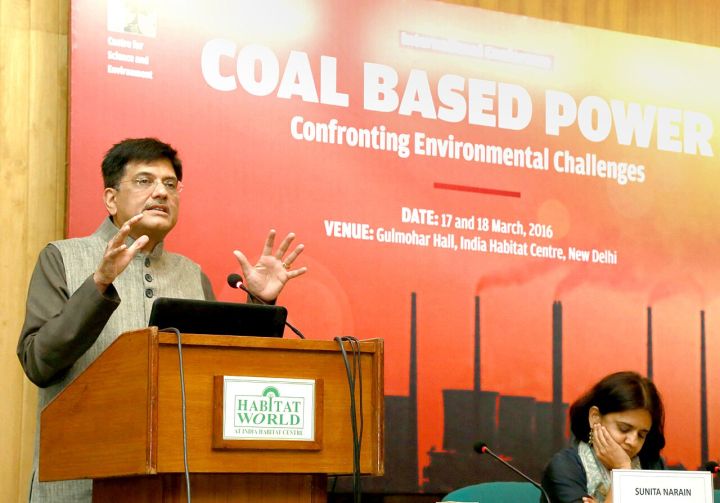
Commerce Minister Piyush Goyal publicly challenged recent U.S. investigations that allege forced labour practices and excess production capacity in certain Indian export sectors. The probes, initiated by the U.S. Department of Labor and the Office of the U.S. Trade Representative, target commodities such as steel, aluminium and other manufactured goods.
Goyal asserted that India adheres to international labour standards and that the accusations lack factual basis. He emphasized that Indian exporters operate within the framework of existing regulations and that the government is prepared to cooperate with any legitimate inquiry while defending the country's trade interests.
The minister warned that unwarranted restrictions could disrupt bilateral trade flows and affect Indian manufacturers reliant on the U.S. market. He called for a transparent, evidence‑based approach and urged the United States to engage in dialogue rather than impose punitive measures.
Analysts note that the outcome of these investigations could influence tariff decisions and supply‑chain dynamics, making the minister’s defence a pivotal moment in Indo‑U.S. economic relations.
Goyal asserted that India adheres to international labour standards and that the accusations lack factual basis. He emphasized that Indian exporters operate within the framework of existing regulations and that the government is prepared to cooperate with any legitimate inquiry while defending the country's trade interests.
The minister warned that unwarranted restrictions could disrupt bilateral trade flows and affect Indian manufacturers reliant on the U.S. market. He called for a transparent, evidence‑based approach and urged the United States to engage in dialogue rather than impose punitive measures.
Analysts note that the outcome of these investigations could influence tariff decisions and supply‑chain dynamics, making the minister’s defence a pivotal moment in Indo‑U.S. economic relations.