
📷 Image: Wikimedia Commons / VKUMA4
Religion
Chhath Puja Begins on Nov 13: Four-Day Festival Draws Massive Preparations in Bihar
✍️ Amar Ujala · Darbhanga
🗓 05 Nov 2026, 12:16 PM
👁 17
The four‑day Chhath Puja, a major devotional event, will commence on 13 November, with preparations in Bihar outpacing even Diwali.
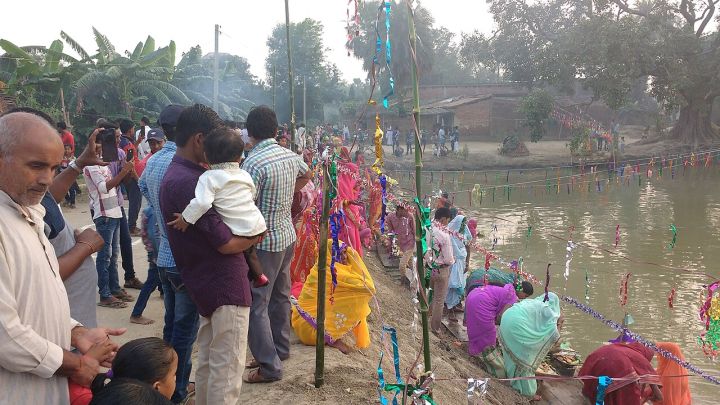
The Hindu calendar marks 13 November as the opening day of Chhatt Puja, a four‑day pilgrimage dedicated to the Sun God and his consort. Devotees across the region will observe a series of rituals that culminate in offering prayers at sunrise and sunset on riverbanks and ponds.
In Bihar, the scale of preparation for the festival has already surpassed that of Diwali, the nation’s most widely celebrated festival. Streets, ghats and public spaces are being cleaned, temporary puja platforms are being erected, and local authorities are coordinating traffic and safety measures to accommodate the expected influx of worshippers.
While the celebration has traditionally been strongest in Bihar, it is now observed in several other Indian states, reflecting its growing cultural resonance. Organisers and community leaders have issued practical advice for vratis, emphasizing the importance of maintaining personal hygiene, adhering to prescribed fasting rules, and ensuring safe conduct during the water‑based rituals.
Authorities have also urged participants to respect environmental guidelines, such as avoiding plastic waste and ensuring that offerings are disposed of responsibly, to preserve the sanctity of the water bodies that form the heart of the puja.