
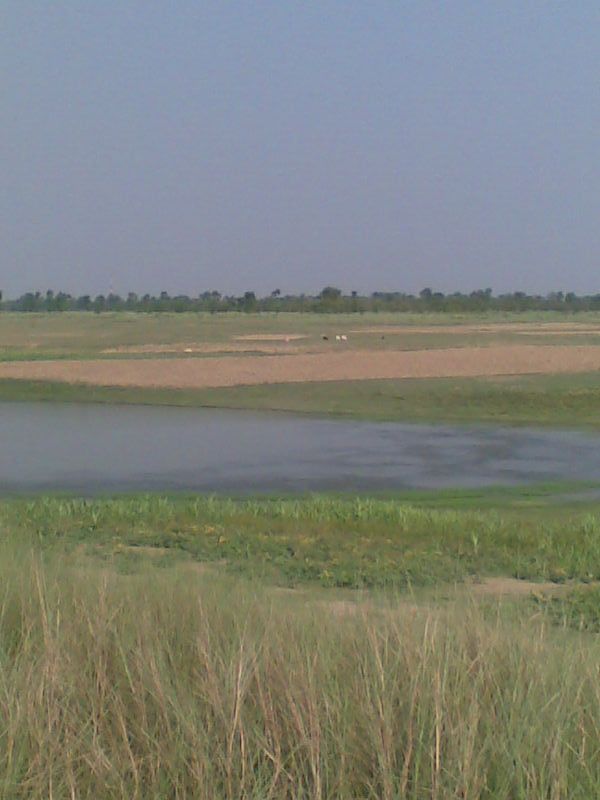
📷 Image: Wikimedia Commons / Warrior.bits (talk) (Uploads)
Science
Bihar's Gandak River Villagers Mobilise to Save Endangered Gharial
✍️ The Better India
🗓 19 Aug 2026, 12:37 PM
👁 45
Communities along the Gandak River in Bihar are collaborating with wildlife officials to protect the critically endangered gharial, a long‑snouted crocodile native to Indian rivers.
Local residents of the Gandak River basin have begun a series of grassroots initiatives aimed at preserving the gharial, a crocodilian species listed as critically endangered by the IUCN. The effort includes monitoring nesting sites, reporting illegal fishing gear, and assisting researchers in tagging and releasing hatchlings.
The community volunteers work under the guidance of the state's Forest Department and non‑governmental conservation groups, who provide training on safe handling of the reptiles and awareness about the species' ecological role. In return, villagers receive modest compensation for reporting poaching activities, creating a financial incentive to protect the animals.
Preliminary observations suggest a modest rise in successful hatchling survival rates compared with previous years, indicating that the collaborative model may be effective. Officials plan to expand the programme to other stretches of the river, hoping to establish a replicable template for community‑driven wildlife conservation across the region.
The initiative also highlights broader challenges faced by riverine ecosystems in Bihar, where habitat degradation and unregulated fishing threaten multiple species. By involving locals directly, the project seeks to balance livelihood needs with biodiversity preservation.
If the current trend continues, the gharial could gradually recover from the brink of extinction, offering a rare success story for Indian wildlife conservation.
The community volunteers work under the guidance of the state's Forest Department and non‑governmental conservation groups, who provide training on safe handling of the reptiles and awareness about the species' ecological role. In return, villagers receive modest compensation for reporting poaching activities, creating a financial incentive to protect the animals.
Preliminary observations suggest a modest rise in successful hatchling survival rates compared with previous years, indicating that the collaborative model may be effective. Officials plan to expand the programme to other stretches of the river, hoping to establish a replicable template for community‑driven wildlife conservation across the region.
The initiative also highlights broader challenges faced by riverine ecosystems in Bihar, where habitat degradation and unregulated fishing threaten multiple species. By involving locals directly, the project seeks to balance livelihood needs with biodiversity preservation.
If the current trend continues, the gharial could gradually recover from the brink of extinction, offering a rare success story for Indian wildlife conservation.