
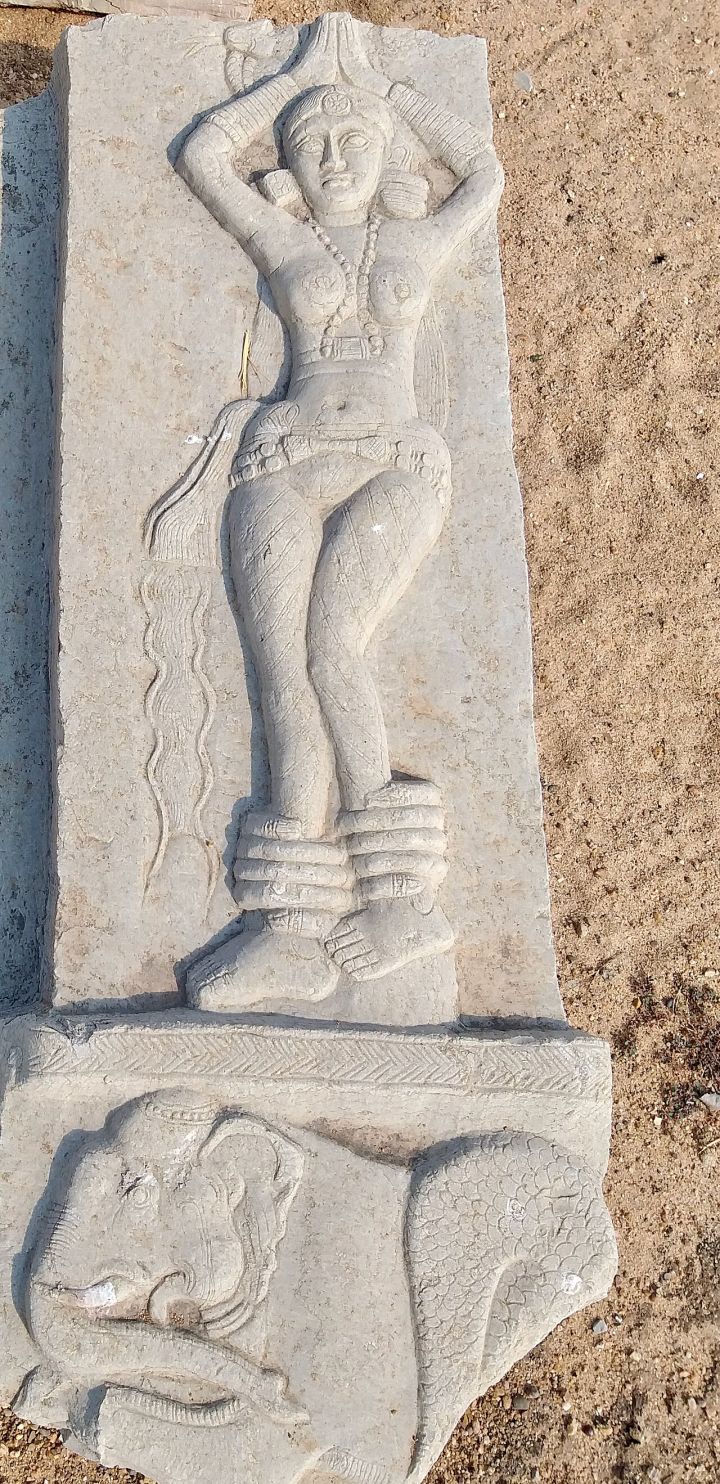
📷 Image: Wikimedia Commons / Ms Sarah Welch
Science
Archaeologists push back human history in Northeast India by 3,500 years
✍️ The Times of India
🗓 23 Aug 2026, 09:02 PM
👁 2
New archaeological evidence suggests human settlement in Northeast India may be 3,500 years older than previously believed, prompting a reassessment of the region's prehistoric timeline.
Archaeologists working in the northeastern region of India have uncovered material that points to human activity occurring 3,500 years earlier than the dates accepted by earlier studies. The discovery, reported by The Times of India, is based on recent fieldwork that revealed artifacts and stratigraphic layers indicating a much older human presence.
The new findings challenge the existing chronology of settlement in the area, which has traditionally been placed within a later prehistoric window. Researchers say the evidence could reshape scholarly understanding of migration patterns, cultural development, and interaction with neighboring regions during the early Holocene.
While details about the specific site, the nature of the artifacts, and the scientific methods employed have not been disclosed, the announcement underscores the importance of continued archaeological exploration in India's northeast. Experts anticipate further investigations will provide clearer insight into how early communities adapted to the region's diverse landscapes.
If corroborated by additional studies, the revised timeline may have broader implications for the history of South Asia, suggesting that human groups reached and thrived in these hills and valleys earlier than previously documented.
The new findings challenge the existing chronology of settlement in the area, which has traditionally been placed within a later prehistoric window. Researchers say the evidence could reshape scholarly understanding of migration patterns, cultural development, and interaction with neighboring regions during the early Holocene.
While details about the specific site, the nature of the artifacts, and the scientific methods employed have not been disclosed, the announcement underscores the importance of continued archaeological exploration in India's northeast. Experts anticipate further investigations will provide clearer insight into how early communities adapted to the region's diverse landscapes.
If corroborated by additional studies, the revised timeline may have broader implications for the history of South Asia, suggesting that human groups reached and thrived in these hills and valleys earlier than previously documented.