
📷 Image: Wikimedia Commons / Amitabha Gupta
Politics
Waqf Board to Take Control of Ijtima Market After 56 Years
✍️ Bhaskar English
🗓 31 Oct 2026, 05:52 PM
👁 16
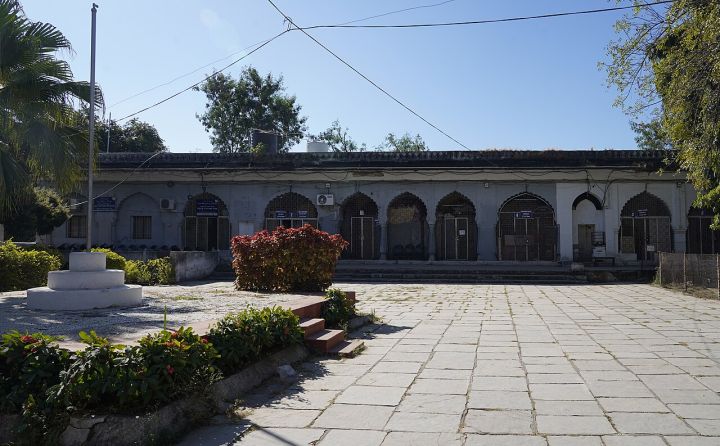
The Waqf Board has announced it will assume management of the Ijtima market after 56 years, citing a 20-year period where shops were exclusively held by one community.
The Waqf Board has officially declared its intention to take over the management of the Ijtima market, ending a 56-year gap in its administrative control. This move marks a significant shift in the governance of the commercial hub, which has long been a point of contention regarding property rights and community access.
According to the Board, the decision follows a review of historical records and current occupancy patterns. Officials noted that for the past 20 years, the shops within the market complex had been exclusively occupied and held by a single community, effectively excluding others from accessing these commercial spaces.
The Waqf Board stated that the market properties are meant to serve the broader community and generate revenue for religious and charitable purposes. By assuming direct management, the Board aims to ensure equitable distribution of shop spaces and proper maintenance of the infrastructure.
This administrative change is expected to bring about structural reforms in how the market is operated, with the Board planning to review existing tenancy agreements and establish new guidelines for future allocations.