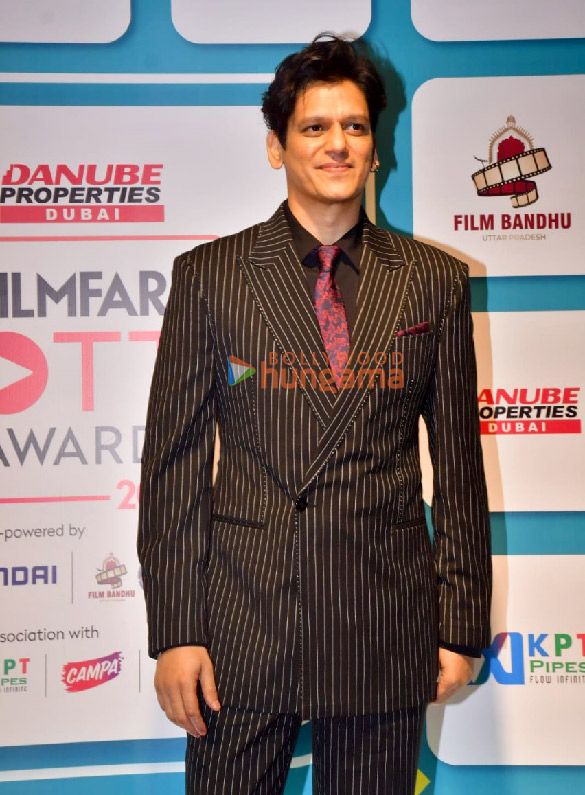
📷 Image: Wikimedia Commons / Bollywood Hungama
Entertainment
Vijay Varma Fires Back at Dolly Singh's 'Nation's Biggest Red Flag' Remark at IFFM 2026
✍️ LatestLY
🗓 19 Aug 2026, 10:37 AM
👁 3
Actor Vijay Varma responded sharply to Dolly Singh’s comment labeling him the ‘nation’s biggest red flag’ during the International Film Festival of India 2026, an exchange that quickly went viral on social media.
During the International Film Festival of India 2026, social media influencer Dolly Singh referred to actor Vijay Varma as the "nation's biggest red flag" in a light‑hearted exchange. Varma, known for his recent film roles, took to his own platforms to counter the remark, stating that such labels are unnecessary and urging fans to focus on artistic work rather than personal jibes.
Varma's response, posted within hours of Singh's comment, highlighted his disappointment with the tone of the exchange and emphasized mutual respect among creators. He did not issue a direct attack but clarified that personal remarks distract from the festival's purpose of celebrating cinema.
The back‑and‑forth quickly gained traction, with thousands of likes, shares, and comments across Instagram and Twitter. Both parties have since refrained from further public statements, and the incident remains a talking point among entertainment followers.
Industry observers note that such online spats are common in the digital age, often amplifying minor remarks into viral moments. The IFFM organizers have not commented on the exchange, focusing instead on the scheduled film screenings and panel discussions.
Overall, the episode underscores the growing interplay between traditional film festivals and social media personalities, where off‑stage remarks can shape public perception as much as on‑stage performances.
Varma's response, posted within hours of Singh's comment, highlighted his disappointment with the tone of the exchange and emphasized mutual respect among creators. He did not issue a direct attack but clarified that personal remarks distract from the festival's purpose of celebrating cinema.
The back‑and‑forth quickly gained traction, with thousands of likes, shares, and comments across Instagram and Twitter. Both parties have since refrained from further public statements, and the incident remains a talking point among entertainment followers.
Industry observers note that such online spats are common in the digital age, often amplifying minor remarks into viral moments. The IFFM organizers have not commented on the exchange, focusing instead on the scheduled film screenings and panel discussions.
Overall, the episode underscores the growing interplay between traditional film festivals and social media personalities, where off‑stage remarks can shape public perception as much as on‑stage performances.