
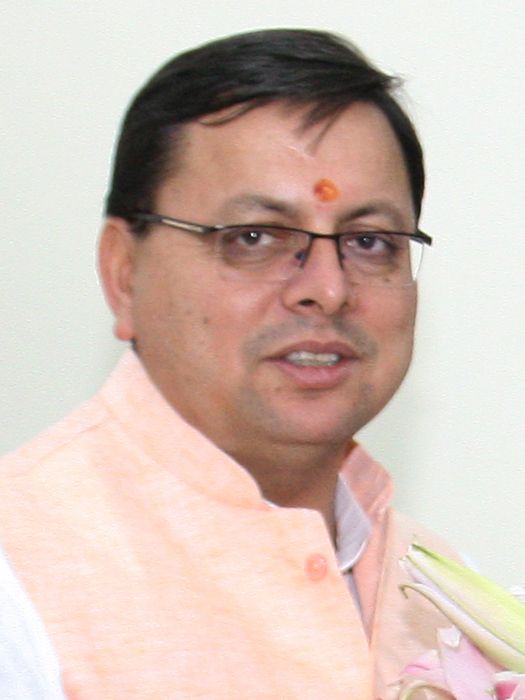
📷 Image: Wikimedia Commons / Ministry of Defence
Agriculture
Uttarakhand CM Dhami Announces 11,500 Beneficiaries of Goat and Poultry Valley Schemes
✍️ Asianet Newsable
🗓 12 Nov 2026, 01:39 PM
👁 15
Chief Minister Pushkar Singh Dhami updated the public on the Goat Valley and Poultry Valley schemes, reporting that 11,500 farmers have already received benefits.
Chief Minister Pushkar Singh Dhami today provided a status report on Uttarakhand's Goat Valley and Poultry Valley initiatives, two flagship schemes aimed at strengthening livestock farming in the state. According to the latest figures released by the chief minister's office, a total of 11,500 beneficiaries have been enrolled across both programmes.
The Goat Valley scheme focuses on providing quality breeding stock, veterinary support and training to small and marginal goat farmers, while the Poultry Valley scheme offers similar assistance for backyard and small‑scale poultry entrepreneurs. Both schemes are part of the state government's broader effort to diversify rural incomes and improve nutritional security.
Dhami emphasized that the continued rollout of these schemes will create additional opportunities for farmers in remote and hilly regions, where traditional agriculture faces challenges. He urged eligible farmers to register with local agricultural offices to take advantage of the subsidies and technical guidance now available.
State officials said that the next phase will involve expanding outreach to more districts, with a view to increasing the beneficiary count substantially before the end of the financial year.