
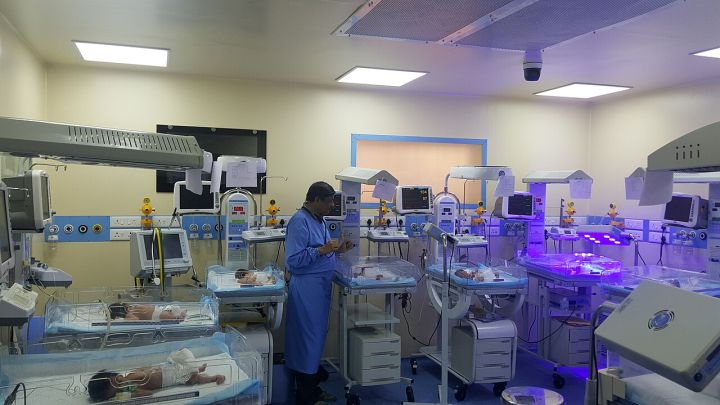
📷 Image: Wikimedia Commons / Kaveri appala
Health
Understanding Preterm Birth: Essential Guidance for Families in Assam
✍️ Hub News
🗓 22 Nov 2026, 11:16 PM
👁 16
Preterm birth, defined as delivery before 37 weeks of pregnancy, poses serious health risks. Health officials in Assam urge parents to recognize early signs and seek timely neonatal care.
Preterm birth occurs when a baby is delivered before completing 37 weeks of gestation. It remains one of the leading causes of infant mortality in India, and the northeastern state of Assam records a notable share of such cases each year.
Babies born too early often face breathing difficulties, low birth weight, and heightened susceptibility to infections. Parents are advised to watch for premature labor signs such as regular uterine contractions, pelvic pressure, or fluid leakage before the expected due date.
The Assam Health Department recommends immediate medical attention at a facility equipped with a neonatal intensive care unit (NICU). Government hospitals in Guwahati, Silchar and other district centres provide round‑the‑clock newborn care, including respiratory support and temperature regulation.
Preventive steps include regular antenatal check‑ups, nutrition counseling, and timely treatment of maternal infections. Early detection of risk factors can reduce the likelihood of preterm delivery and improve outcomes for both mother and child.