
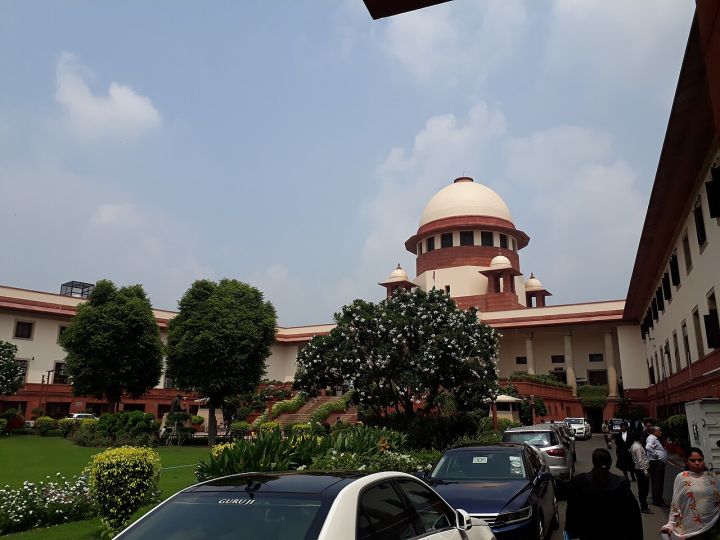
📷 Image: Wikimedia Commons / Pinakpani
Sarkari Yojana
Supreme Court to Cover 165 Million Uninsured Vehicles: No Insurance, No Fuel
✍️ Business Standard
🗓 05 Aug 2026, 03:38 PM
👁 36
The Supreme Court has unveiled a plan to provide coverage for 165 million vehicles that currently lack insurance, addressing both insurance gaps and fuel access.
The Supreme Court of India has announced a new initiative aimed at covering 165 million vehicles that presently lack insurance coverage. The plan seeks to bridge a significant gap in the automotive insurance market, ensuring that a large segment of the driving public is protected.
The initiative targets vehicles that have been operating without mandatory insurance, a situation that has raised concerns about road safety and financial liability. By extending coverage, the Court hopes to reduce the number of uninsured vehicles on Indian roads.
In addition to insurance, the proposal also addresses fuel access issues for these vehicles, recognizing that uninsured cars often face challenges in obtaining fuel at standard rates. The Court’s plan is intended to streamline both insurance and fuel procurement processes for the affected fleet.
Details on the implementation timeline, funding mechanisms, and the specific agencies that will oversee the rollout remain to be finalized. Stakeholders are awaiting further guidance from the Court on how the program will be operationalized across the country.
The initiative targets vehicles that have been operating without mandatory insurance, a situation that has raised concerns about road safety and financial liability. By extending coverage, the Court hopes to reduce the number of uninsured vehicles on Indian roads.
In addition to insurance, the proposal also addresses fuel access issues for these vehicles, recognizing that uninsured cars often face challenges in obtaining fuel at standard rates. The Court’s plan is intended to streamline both insurance and fuel procurement processes for the affected fleet.
Details on the implementation timeline, funding mechanisms, and the specific agencies that will oversee the rollout remain to be finalized. Stakeholders are awaiting further guidance from the Court on how the program will be operationalized across the country.