
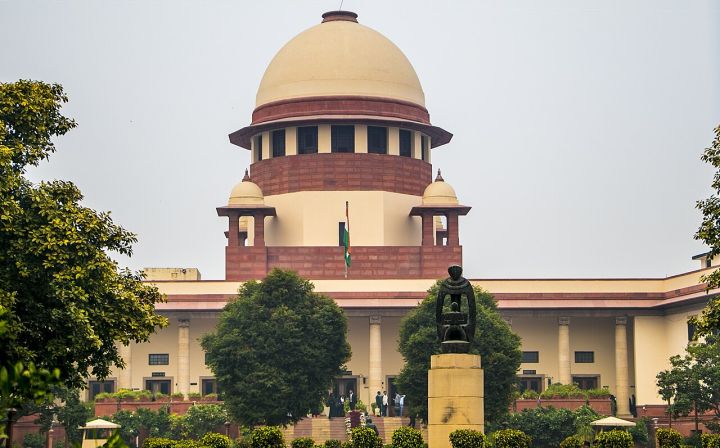
📷 Image: Wikimedia Commons / Subhashish Panigrahi
Crime
Supreme Court Rules Boss's Harsh Behaviour Not Abetment of Suicide
✍️ NDTV Top
🗓 20 Aug 2026, 05:43 PM
👁 28
The apex court held that a superior's stern conduct cannot alone constitute abetment of suicide, emphasizing that suicide notes do not prove the required mens rea.
The Supreme Court on Monday clarified that a manager’s strict or stern attitude toward an employee cannot, by itself, be treated as abetment of suicide. In its judgment, the court observed that while suicide notes may reveal the deceased’s distress, they do not automatically establish the accused’s guilty mind required under criminal law.
The bench stressed that for abetment, the prosecution must prove that the accused intentionally encouraged or facilitated the act, not merely that they behaved harshly. The court therefore dismissed arguments that a boss’s demanding style could be equated with criminal encouragement.
Legal experts note that the ruling narrows the scope of employer liability in suicide cases, requiring concrete evidence of direct inducement rather than a general claim of workplace pressure. The decision is expected to influence ongoing and future investigations involving alleged employer‑related suicides.
The judgment also reiterated the importance of distinguishing between genuine mental anguish expressed in suicide notes and the legal standard of mens rea, which demands proof of intentional wrongdoing.
Overall, the Supreme Court’s clarification aims to prevent the automatic attribution of criminal responsibility to employers based solely on the existence of a suicide note or perceived harsh management style.
The bench stressed that for abetment, the prosecution must prove that the accused intentionally encouraged or facilitated the act, not merely that they behaved harshly. The court therefore dismissed arguments that a boss’s demanding style could be equated with criminal encouragement.
Legal experts note that the ruling narrows the scope of employer liability in suicide cases, requiring concrete evidence of direct inducement rather than a general claim of workplace pressure. The decision is expected to influence ongoing and future investigations involving alleged employer‑related suicides.
The judgment also reiterated the importance of distinguishing between genuine mental anguish expressed in suicide notes and the legal standard of mens rea, which demands proof of intentional wrongdoing.
Overall, the Supreme Court’s clarification aims to prevent the automatic attribution of criminal responsibility to employers based solely on the existence of a suicide note or perceived harsh management style.