
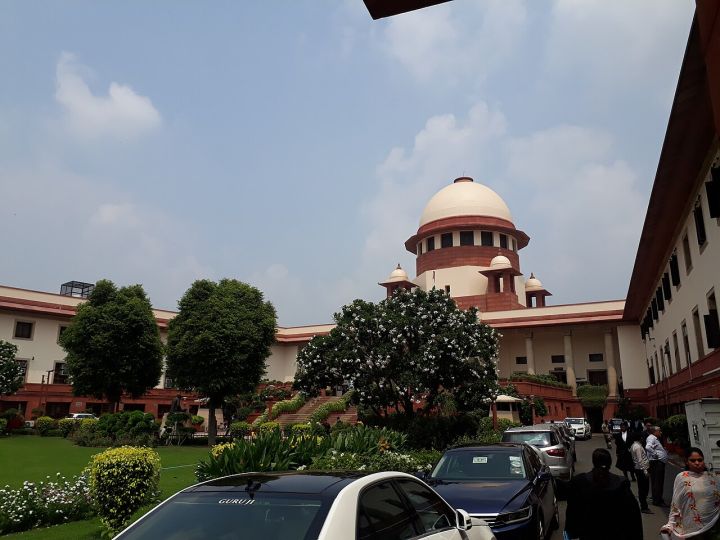
📷 Image: Wikimedia Commons / Pinakpani
National
Supreme Court Rules Appeal Delays Not Reason to Release Convicts in Heinous Crimes
✍️ Deccan Herald
🗓 01 Nov 2026, 05:59 AM
👁 23
The Supreme Court held that a pending appeal cannot be used as a basis to grant bail or release to persons convicted of serious offences.
New Delhi – In a landmark judgment, the Supreme Court of India clarified that the mere pendency of an appeal does not constitute a valid ground for granting bail or releasing individuals convicted of heinous crimes. The bench emphasized that the seriousness of the offence and the need to uphold public safety outweigh procedural delays in the appellate process.
The court observed that allowing release solely on the basis of a delayed appeal could undermine the deterrent effect of stringent punishments for grave offenses. It reiterated that each case must be examined on its merits, but the existence of an appeal alone cannot override the conviction.
Legal experts noted that the ruling reinforces the judiciary's stance on maintaining the integrity of sentencing in cases involving murder, rape, terrorism and other violent crimes. The decision is expected to influence lower courts and bail applications across the country.
The judgment comes amid growing concerns about a backlog of cases in higher courts, but the Supreme Court made it clear that efficiency in case disposal should not compromise the principle of justice for victims and society.