
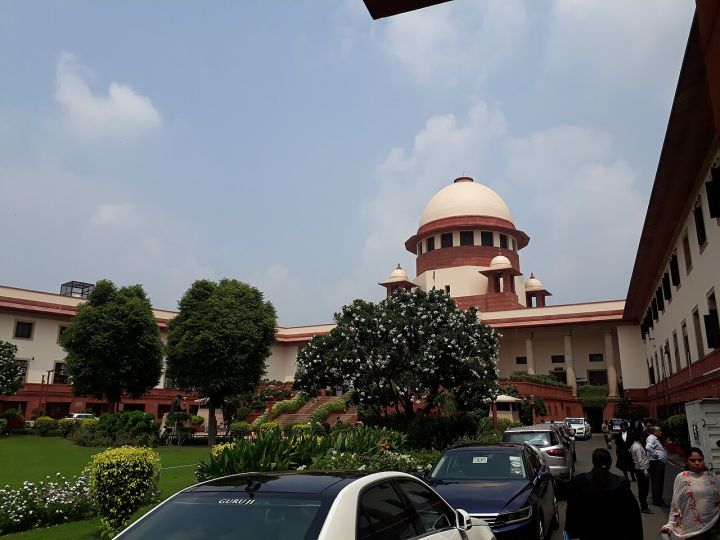
📷 Image: Wikimedia Commons / Pinakpani
Politics
Supreme Court Collegium Recommends Permanent Judges for Uttarakhand and Gauhati High Courts
✍️ Live Law
🗓 24 Sep 2026, 03:38 PM
👁 11
The Supreme Court collegium has forwarded recommendations for appointing permanent judges to the Uttarakhand and Gauhati High Courts, pending government approval.
The Supreme Court collegium, chaired by the Chief Justice of India, has submitted its recommendations for the appointment of permanent judges to two high courts – Uttarakhand and Gauhati. The collegium’s proposal will now be transmitted to the Ministry of Law and Justice for further processing under the constitutional appointment procedure.
The recommendation comes as part of the regular judicial appointment cycle, wherein the collegium evaluates the performance and seniority of serving judges before suggesting permanent elevations. No specific names or numbers of judges were disclosed in the public statement.
If the government accepts the collegium’s advice, the appointed judges will assume permanent positions, strengthening the judicial capacity of both courts. The move is expected to address pending vacancies and ensure smoother case management in the respective jurisdictions.
The collegium’s decision underscores the continued role of the judiciary in self‑governance of judicial appointments, a practice that has been in place for several decades.
The recommendation comes as part of the regular judicial appointment cycle, wherein the collegium evaluates the performance and seniority of serving judges before suggesting permanent elevations. No specific names or numbers of judges were disclosed in the public statement.
If the government accepts the collegium’s advice, the appointed judges will assume permanent positions, strengthening the judicial capacity of both courts. The move is expected to address pending vacancies and ensure smoother case management in the respective jurisdictions.
The collegium’s decision underscores the continued role of the judiciary in self‑governance of judicial appointments, a practice that has been in place for several decades.