
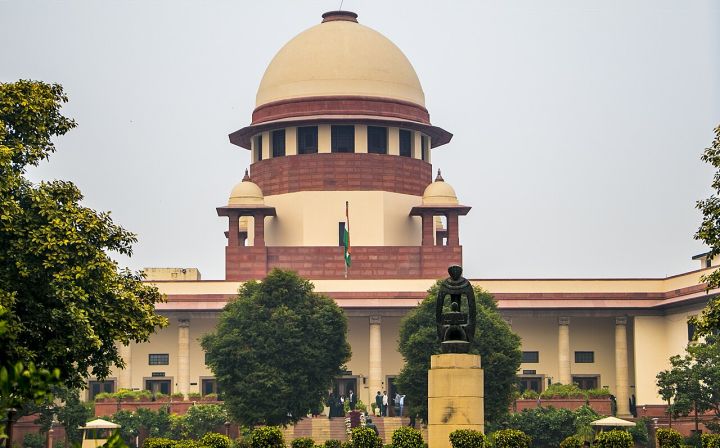
📷 Image: Wikimedia Commons / Subhashish Panigrahi
Politics
Supreme Court Allows Withdrawal of FIRs in NEET Protest Cases
✍️ The New Indian Express
🗓 03 Aug 2026, 04:38 PM
👁 50
The Supreme Court has ruled that FIRs filed in the NEET protests can be withdrawn, but it has barred the granting of relief in cases involving heinous crimes.
The Supreme Court of India has issued a ruling that permits the withdrawal of First Information Reports (FIRs) filed in connection with the recent NEET exam protests. The decision, announced in a hearing that focused on the legal status of the protests, allows complainants to retract the FIRs they had lodged against protestors.
However, the court clarified that this relief does not extend to cases involving heinous crimes. In such instances, the court maintains that the standard legal procedures must be followed and no special withdrawal or relief can be granted.
The ruling is expected to impact the ongoing legal proceedings related to the NEET protests, where several FIRs had been registered against students and activists. By allowing withdrawal, the court aims to streamline the process and reduce the burden on the judicial system.
Legal experts note that while the decision addresses the specific context of the protests, it reinforces the principle that relief in serious criminal cases remains tightly regulated.
The judgment underscores the judiciary’s role in balancing civil protest rights with the need for maintaining law and order.
However, the court clarified that this relief does not extend to cases involving heinous crimes. In such instances, the court maintains that the standard legal procedures must be followed and no special withdrawal or relief can be granted.
The ruling is expected to impact the ongoing legal proceedings related to the NEET protests, where several FIRs had been registered against students and activists. By allowing withdrawal, the court aims to streamline the process and reduce the burden on the judicial system.
Legal experts note that while the decision addresses the specific context of the protests, it reinforces the principle that relief in serious criminal cases remains tightly regulated.
The judgment underscores the judiciary’s role in balancing civil protest rights with the need for maintaining law and order.