
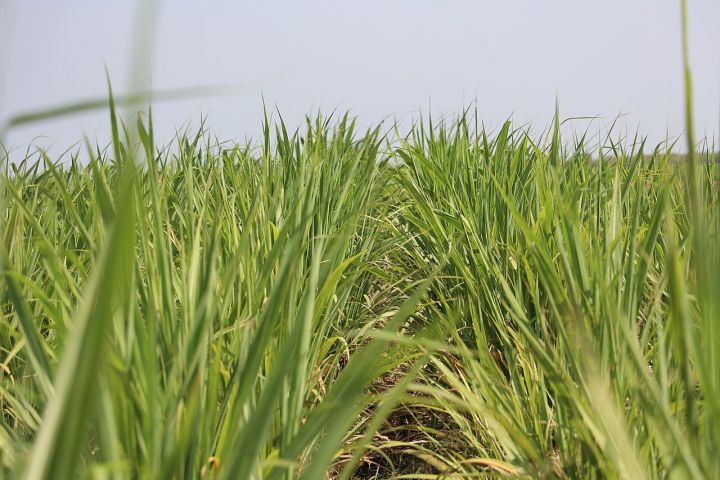
📷 Image: Wikimedia Commons / Karthik jeyaraman
Agriculture
Sugarcane Cultivation Declines in Malwa‑Nimad Region of Madhya Pradesh
✍️ Amar Ujala · Madhya Pradesh
🗓 23 Aug 2026, 11:18 AM
👁 24
Farmers in the Malwa‑Nimad belt of Madhya Pradesh are reducing sugarcane acreage, according to Amar Ujala.
Amar Ujala reports that the traditionally sugarcane‑rich Malwa‑Nimad belt of Madhya Pradesh is witnessing a noticeable drop in the area under cultivation. Local agricultural offices have observed fewer hectares being sown with the cash crop compared with previous seasons.
The decline comes at a time when the region, long known for its sweet‑scented fields, is facing a range of challenges that could be influencing farmer decisions. While the newspaper does not specify exact causes, industry observers have linked reduced water availability and volatile market prices to similar trends elsewhere.
If the pattern continues, the shift could affect the livelihood of small and marginal farmers who depend on sugarcane for income. Agricultural advisers suggest that many are likely exploring alternative crops that require less water and offer steadier returns, although detailed data on the new cropping pattern is not yet available.
State officials have been urged to monitor the situation closely and consider support measures to sustain the agricultural economy of the Malwa‑Nimad region.
The report underscores the need for timely policy interventions to address the underlying factors behind the falling sugarcane acreage.
The decline comes at a time when the region, long known for its sweet‑scented fields, is facing a range of challenges that could be influencing farmer decisions. While the newspaper does not specify exact causes, industry observers have linked reduced water availability and volatile market prices to similar trends elsewhere.
If the pattern continues, the shift could affect the livelihood of small and marginal farmers who depend on sugarcane for income. Agricultural advisers suggest that many are likely exploring alternative crops that require less water and offer steadier returns, although detailed data on the new cropping pattern is not yet available.
State officials have been urged to monitor the situation closely and consider support measures to sustain the agricultural economy of the Malwa‑Nimad region.
The report underscores the need for timely policy interventions to address the underlying factors behind the falling sugarcane acreage.