
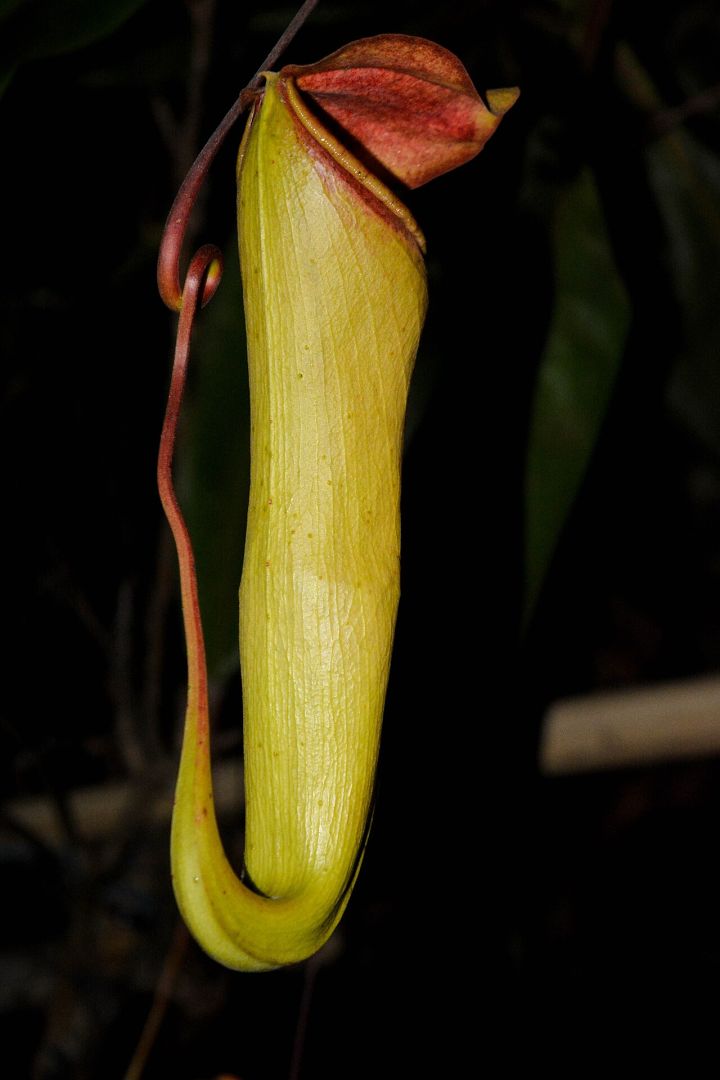
📷 Image: Wikimedia Commons / Madhumita Das
Science
Study uncovers diverse microbes living in Meghalaya's endangered pitcher plant
✍️ Hub News
🗓 16 Nov 2026, 07:46 PM
👁 16
A recent scientific study has documented a rich and previously unknown microbial community inhabiting the endangered pitcher plant native to Meghalaya.
Researchers from leading institutions examined the Nepenthes khasiana, an endangered pitcher plant found in Meghalaya's high‑altitude forests. The peer‑reviewed study reports that the plant’s fluid‑filled traps host a complex assemblage of bacteria, fungi and archaea previously undocumented.
Analysis of samples from several sites revealed over a hundred distinct microbial taxa, many adapted to the plant’s acidic, enzyme‑rich environment. These microbes appear to aid nutrient cycling, helping the plant break down captured insects.
The findings underscore the ecological importance of conserving the pitcher plant, not only for its survival but also for the hidden microbial biodiversity it supports, which may hold biotechnological promise. Conservationists argue that protecting its natural habitats safeguards these microscopic communities.
The team used metagenomic sequencing to identify the microorganisms, allowing comprehensive profiling without culturing. Researchers call for further work to unravel functional relationships between the plant and its microbial partners.