
📷 Image: Wikimedia Commons / Ted Shackelford
Education
Student Protests Sweep Elite Indian Campuses from NALSAR to IIT Delhi
✍️ India Today
🗓 01 Sep 2026, 04:31 AM
👁 3
Students at several premier institutions, including NALSAR and IIT Delhi, have staged protests over academic and administrative grievances, signalling growing unrest on campus.
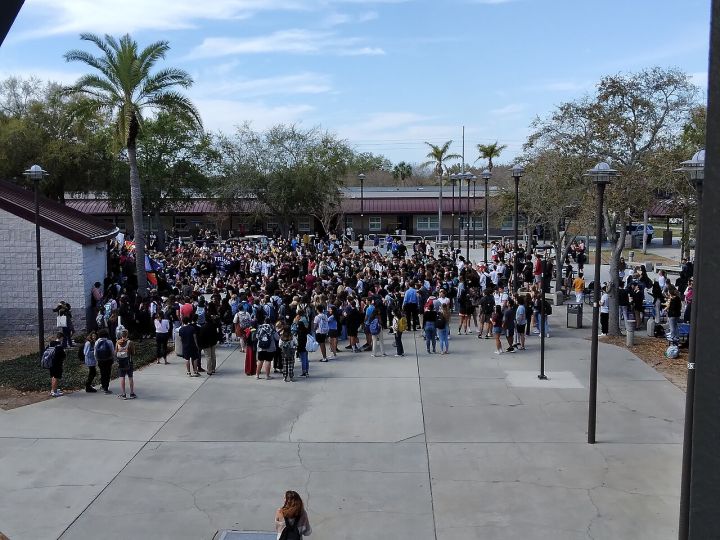
Students across a handful of India's most prestigious higher‑education institutions have taken to the streets of their campuses, voicing discontent over a range of academic and administrative issues. At NALSAR University of Law, demonstrators gathered outside the administration block to demand clearer grading criteria and a pause on recent fee revisions. A similar mood was evident at IIT Delhi, where engineering students organized a sit‑in to protest perceived lapses in exam scheduling and campus safety measures.
The protests have involved peaceful rallies, sit‑ins and the temporary occupation of common areas such as auditoriums and cafeterias. In both institutions, participants have submitted written demands to vice‑chancellors and directors, seeking dialogue on fee structures, assessment transparency and the implementation of grievance redress mechanisms.
University officials have responded by acknowledging the concerns and promising to convene stakeholder meetings within the week. NALSAR's vice‑chancellor emphasized a commitment to review fee policies, while IIT Delhi's director highlighted ongoing efforts to improve exam logistics and security protocols.
Education analysts note that the unrest reflects a broader trend of heightened student activism in India's elite institutions, where rising costs and perceived administrative opacity are fueling frustration. The situation is being closely watched by policymakers, who fear that prolonged dissent could disrupt academic calendars and affect the reputation of these flagship campuses.
Authorities have urged calm and reiterated that any disruption to academic activities will be addressed through established institutional channels, while also signalling readiness to negotiate concrete solutions to the students' grievances.
The protests have involved peaceful rallies, sit‑ins and the temporary occupation of common areas such as auditoriums and cafeterias. In both institutions, participants have submitted written demands to vice‑chancellors and directors, seeking dialogue on fee structures, assessment transparency and the implementation of grievance redress mechanisms.
University officials have responded by acknowledging the concerns and promising to convene stakeholder meetings within the week. NALSAR's vice‑chancellor emphasized a commitment to review fee policies, while IIT Delhi's director highlighted ongoing efforts to improve exam logistics and security protocols.
Education analysts note that the unrest reflects a broader trend of heightened student activism in India's elite institutions, where rising costs and perceived administrative opacity are fueling frustration. The situation is being closely watched by policymakers, who fear that prolonged dissent could disrupt academic calendars and affect the reputation of these flagship campuses.
Authorities have urged calm and reiterated that any disruption to academic activities will be addressed through established institutional channels, while also signalling readiness to negotiate concrete solutions to the students' grievances.