
📷 Image: TOI India (via NewsData)
Politics
Sonam Wangchuk Discharged from Medanta After 26‑Day Hunger Strike
✍️ TOI India
🗓 27 Jul 2026, 03:09 PM
👁 66
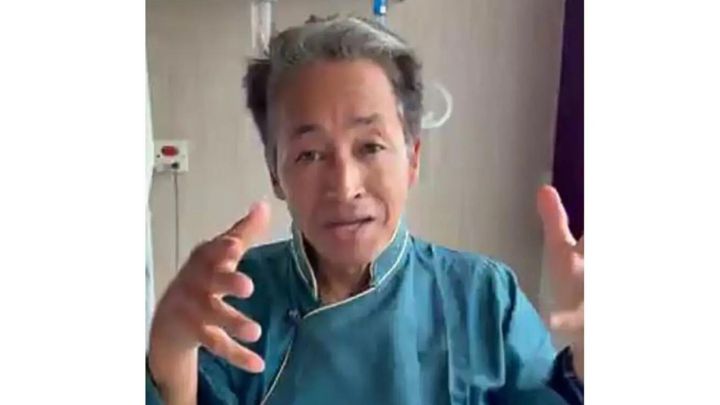
Sonam Wangchuk has been released from Medanta Hospital after completing a 26‑day hunger strike that demanded the resignation of the education minister. He plans to visit Rajghat to pay tribute to Mahatma Gandhi before returning home.
Sonam Wangchuk, a prominent activist from Ladakh, completed a 26‑day hunger strike at Medanta Hospital in Gurugram, demanding the resignation of Education Minister Dharmendra Pradhan. The protest, which began in early March, drew national attention and led to a series of talks between the Chief Justice of India and the central government. Following the discussions, Pradhan resigned and was replaced by Pralhad Joshi as the new education minister.
Wangchuk was discharged from Medanta on Tuesday after the medical team confirmed his health had stabilized. He will now travel to Rajghat in Delhi to pay homage to Mahatma Gandhi, a gesture that underscores his commitment to non‑violent protest. After the visit, he is expected to return to his home in Ladakh.
The incident highlights the continuing tensions between regional activists and the central government over educational reforms. Wangchuk’s hunger strike and subsequent resignation of the minister have sparked debate on the use of civil disobedience in contemporary Indian politics.
Observers note that the discharge marks a turning point for the protest, as the activist shifts from medical confinement to a symbolic act of remembrance, potentially galvanizing further support for his cause.
Wangchuk was discharged from Medanta on Tuesday after the medical team confirmed his health had stabilized. He will now travel to Rajghat in Delhi to pay homage to Mahatma Gandhi, a gesture that underscores his commitment to non‑violent protest. After the visit, he is expected to return to his home in Ladakh.
The incident highlights the continuing tensions between regional activists and the central government over educational reforms. Wangchuk’s hunger strike and subsequent resignation of the minister have sparked debate on the use of civil disobedience in contemporary Indian politics.
Observers note that the discharge marks a turning point for the protest, as the activist shifts from medical confinement to a symbolic act of remembrance, potentially galvanizing further support for his cause.