
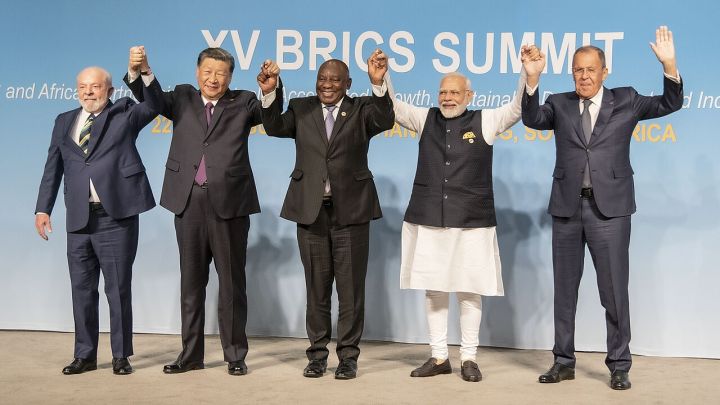
📷 Image: Wikimedia Commons / 15th BRICS SUMMIT
Food
Row Erupts Over BRICS Summit Menu: Critics Call It 'Imposing Vegetarianism'
✍️ NDTV
🗓 13 Sep 2026, 07:22 PM
👁 3
A controversy has arisen regarding the exclusively vegetarian menu served at the BRICS Summit, with critics arguing that it fails to represent India's diverse culinary heritage which includes significant non-vegetarian traditions.
A debate has surfaced concerning the food arrangements at the recent BRICS Summit, specifically regarding the decision to serve an exclusively vegetarian menu. While the intention behind promoting vegetarianism is not disputed by all, the manner of its execution has drawn sharp criticism from observers who feel it oversimplifies Indian food culture.
Critics have pointed out that limiting India's culinary representation to only vegetarian dishes ignores the vast demographic that consumes non-vegetarian food. It is argued that mutton, chicken, and fish are integral parts of the nation's diverse culinary landscape and should not be excluded from such high-profile international events.
The core of the argument is that while India can and should promote vegetarianism, it should not do so by restricting the perception of its food identity to a single category. The sentiment expressed is that India's food culture is broad and inclusive, encompassing both vegetarian and non-vegetarian traditions equally.
This incident highlights the ongoing sensitivity around how national cultural symbols are presented on the global stage, particularly in the context of international summits hosted by India.
Critics have pointed out that limiting India's culinary representation to only vegetarian dishes ignores the vast demographic that consumes non-vegetarian food. It is argued that mutton, chicken, and fish are integral parts of the nation's diverse culinary landscape and should not be excluded from such high-profile international events.
The core of the argument is that while India can and should promote vegetarianism, it should not do so by restricting the perception of its food identity to a single category. The sentiment expressed is that India's food culture is broad and inclusive, encompassing both vegetarian and non-vegetarian traditions equally.
This incident highlights the ongoing sensitivity around how national cultural symbols are presented on the global stage, particularly in the context of international summits hosted by India.