
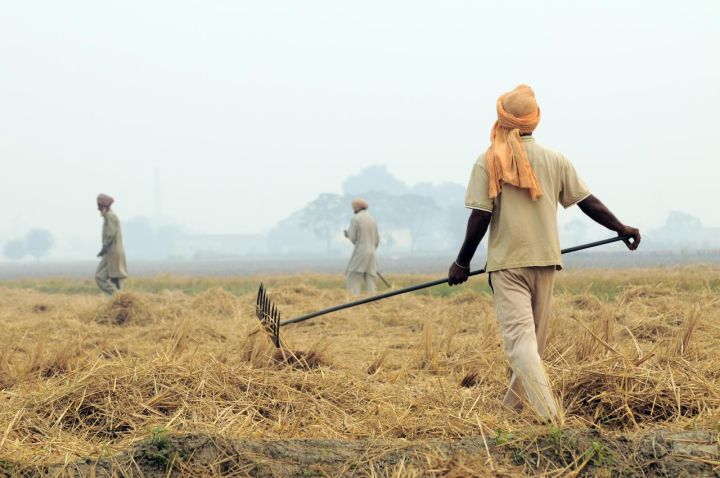
📷 Image: Wikimedia Commons / CIAT
Agriculture
Punjab records 24 stubble‑burning violations in just eight days
✍️ The Times of India
🗓 23 Sep 2026, 04:02 AM
👁 7
The Punjab government logged 24 cases of illegal stubble burning over an eight‑day period, highlighting rising concerns over air quality and farm‑related emissions.
The state’s environment department confirmed that 24 separate incidents of stubble burning were recorded between [date range not specified] and reported to the police. The data, published by The Times of India, reflects a sharp uptick in violations within just eight days.
Stubble burning, a common practice after the wheat harvest, releases large quantities of particulate matter and greenhouse gases, contributing to the seasonal haze that blankets northern India each winter. Health officials have warned that such spikes in air pollutants can exacerbate respiratory problems for millions.
Punjab authorities have intensified field inspections and are issuing fines under the Air (Prevention and Control of Pollution) Act. Officials also urged farmers to adopt mechanised residue management solutions, such as happy seeders and crop‑residue balers, to curb the practice.
The government has pledged additional subsidies for equipment that can handle crop residue without fire, aiming to reduce the reliance on burning in the coming harvest cycles.
Stubble burning, a common practice after the wheat harvest, releases large quantities of particulate matter and greenhouse gases, contributing to the seasonal haze that blankets northern India each winter. Health officials have warned that such spikes in air pollutants can exacerbate respiratory problems for millions.
Punjab authorities have intensified field inspections and are issuing fines under the Air (Prevention and Control of Pollution) Act. Officials also urged farmers to adopt mechanised residue management solutions, such as happy seeders and crop‑residue balers, to curb the practice.
The government has pledged additional subsidies for equipment that can handle crop residue without fire, aiming to reduce the reliance on burning in the coming harvest cycles.