
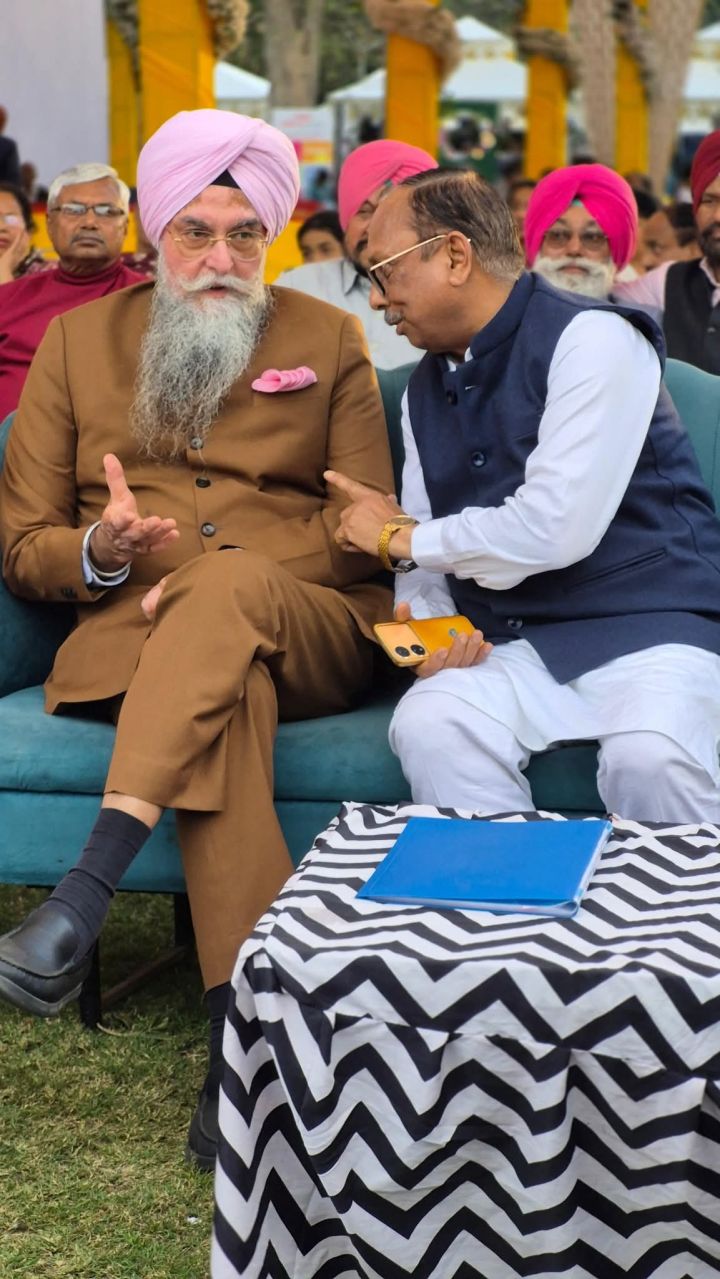
📷 Image: Wikimedia Commons / Anil thakur chairman
Politics
Punjab Minister Dhami Criticises Repeated Parole for Ram Rahim, Calls for Sikh Prisoners’ Release
✍️ Amar Ujala · Punjab
🗓 25 Aug 2026, 09:33 PM
👁 1
Punjab minister Dhami has voiced strong opposition to the frequent parole grants to Dera Sacha Sauda chief Ram Rahim, highlighting that Sikh inmates have not received similar relief.
Punjab minister Dhami publicly objected to the repeated granting of parole and furlough to Dera Sacha Sauda leader Ram Rahim, saying the practice undermines the principle of equal treatment under the law. He pointed out that while Ram Rahim has been released on parole multiple times, Sikh prisoners serving long sentences have not even been allowed temporary leave to visit ailing family members.
Dhami’s remarks came amid ongoing debates over the administration of justice in the state, where several high‑profile cases have attracted media attention. He emphasized that the current approach creates a perception of bias, especially when inmates from the Sikh community are denied basic humanitarian concessions.
The minister urged the state government to review parole policies and ensure that all prisoners, irrespective of their background, receive fair consideration for medical or family‑related visits. He advised authorities to adopt a transparent and consistent framework to avoid further grievances.
By drawing attention to the disparity, Dhami signalled that the issue could become a point of political contention, urging policymakers to act before public discontent grows.
Dhami’s remarks came amid ongoing debates over the administration of justice in the state, where several high‑profile cases have attracted media attention. He emphasized that the current approach creates a perception of bias, especially when inmates from the Sikh community are denied basic humanitarian concessions.
The minister urged the state government to review parole policies and ensure that all prisoners, irrespective of their background, receive fair consideration for medical or family‑related visits. He advised authorities to adopt a transparent and consistent framework to avoid further grievances.
By drawing attention to the disparity, Dhami signalled that the issue could become a point of political contention, urging policymakers to act before public discontent grows.