
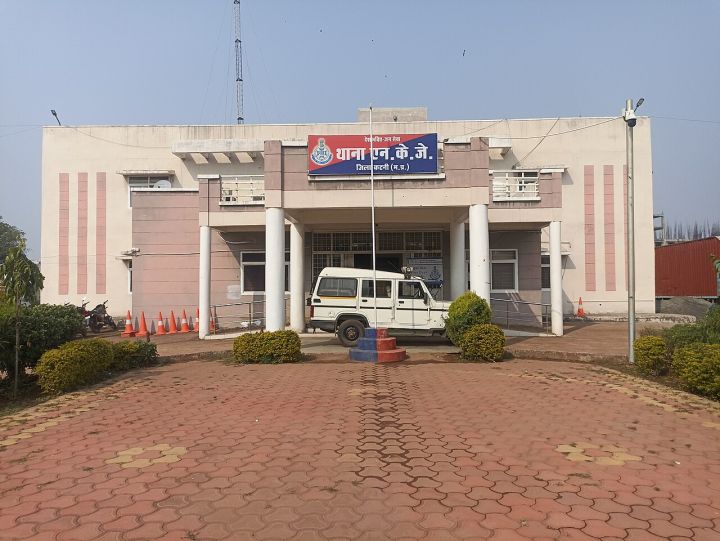
📷 Image: Wikimedia Commons / 獅眠洞
Crime
Police seize 4,000 kg of illegal mahua liquor in Katni, arrest three suspects
✍️ Amar Ujala · Madhya Pradesh
🗓 26 Aug 2026, 12:37 PM
👁 41
Madhya Pradesh police destroyed about 4,000 kg of illicit mahua liquor in Barhi, Katni district, and arrested three persons linked to the operation.
In a focused crackdown on illegal liquor production, police in Katni district, Madhya Pradesh, dismantled a makeshift distillery operating in a forested area near Barhi. The raid was part of a special campaign aimed at curbing the sale of unlicensed spirits.
Investigators reported that roughly 4,000 kilograms of mahua-based liquor, commonly referred to as "mahua lahan," were seized and destroyed on site. The large quantity underscores the scale of the illicit brewing network that has been supplying unregulated alcohol to nearby markets.
During the same operation, law‑enforcement teams moved to Sulaimanabad, where they apprehended three individuals allegedly involved in the production and distribution of the raw liquor. The suspects were taken into custody for further questioning and possible prosecution under state excise laws.
Authorities said the successful seizure and arrests will send a strong signal to illegal liquor traders in the region, aiming to deter future violations and protect public health.
Investigators reported that roughly 4,000 kilograms of mahua-based liquor, commonly referred to as "mahua lahan," were seized and destroyed on site. The large quantity underscores the scale of the illicit brewing network that has been supplying unregulated alcohol to nearby markets.
During the same operation, law‑enforcement teams moved to Sulaimanabad, where they apprehended three individuals allegedly involved in the production and distribution of the raw liquor. The suspects were taken into custody for further questioning and possible prosecution under state excise laws.
Authorities said the successful seizure and arrests will send a strong signal to illegal liquor traders in the region, aiming to deter future violations and protect public health.