
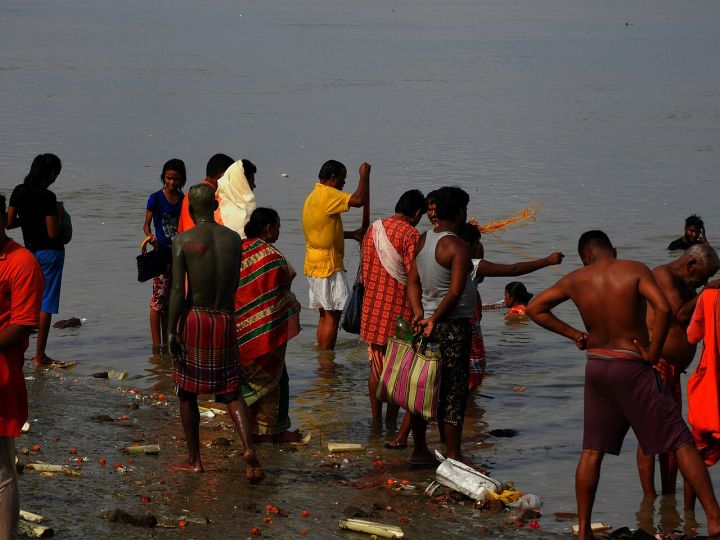
📷 Image: Wikimedia Commons / Goutam1962
Religion
Pitripaksha Mela 2026 in Gaya to Begin on 25 September, Runs 16 Days
✍️ Amar Ujala · Bihar
🗓 22 Sep 2026, 02:15 PM
👁 6
The renowned Pitripaksha Mela in Gaya will start on 25 September 2026 and, due to the overlap of Ashtami and Navami, will run for 16 days.
The Pitripaksha Mela, a major Hindu pilgrimage, will commence on 25 September 2026 in Gaya, Bihar. The event is celebrated annually to honor departed souls and is one of the city’s most important religious festivals.
This year, the Ashtami and Navami of the Pitripaksha month fall on the same day, extending the duration of the mela to 16 days instead of the usual 15. The overlap allows devotees to perform the full rites without interruption.
Organisers anticipate large crowds, with devotees from across India expected to gather at the Vishnupad Temple and surrounding ghats. The mela will feature ritual offerings, cultural programmes, and special prayers led by priests.
Authorities have announced that security and crowd management measures will be in place, and local authorities are preparing accommodations and sanitation facilities for the influx of pilgrims.
The mela is a key event in Gaya’s religious calendar and is expected to boost local tourism and commerce during the festival period.
This year, the Ashtami and Navami of the Pitripaksha month fall on the same day, extending the duration of the mela to 16 days instead of the usual 15. The overlap allows devotees to perform the full rites without interruption.
Organisers anticipate large crowds, with devotees from across India expected to gather at the Vishnupad Temple and surrounding ghats. The mela will feature ritual offerings, cultural programmes, and special prayers led by priests.
Authorities have announced that security and crowd management measures will be in place, and local authorities are preparing accommodations and sanitation facilities for the influx of pilgrims.
The mela is a key event in Gaya’s religious calendar and is expected to boost local tourism and commerce during the festival period.