
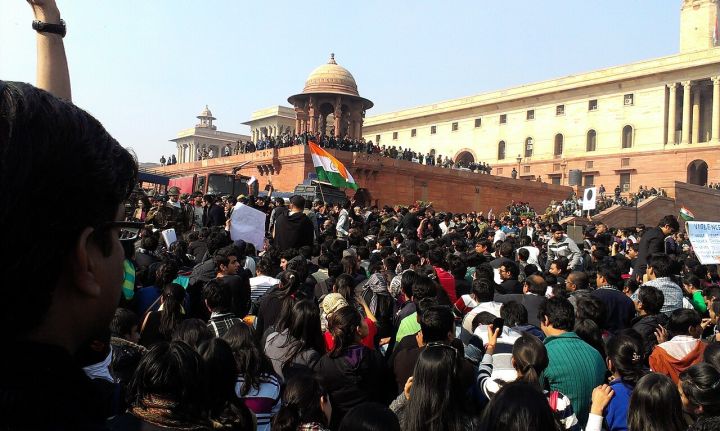
📷 Image: Wikimedia Commons / Nilroy (Nilanjana Roy)
Crime
Nationwide Protests After Nirbhaya Case Sparked Policy Reforms
✍️ Brut
🗓 26 Jul 2026, 04:18 AM
👁 33
Massive protests erupted across India following the 2012 Delhi gang‑rape case, compelling the government to introduce new laws and reforms.
In December 2012, a brutal gang‑rape and murder in Delhi triggered an unprecedented wave of protests across the country. Citizens, activists and students took to the streets, demanding justice and a stronger legal framework to protect women.
The sheer scale of the demonstrations put immense pressure on the central government. In response, lawmakers introduced a series of new statutes aimed at tightening penalties for sexual offences and improving victim support.
These reforms represented a significant shift in the country’s approach to sexual violence, setting a new legal precedent. The protests also highlighted the power of public mobilization in shaping national policy.
Over the years, the legacy of the Nirbhaya movement has continued to influence debates on women's safety and criminal justice. The case remains a pivotal moment in India’s struggle for gender‑based reform.
The sheer scale of the demonstrations put immense pressure on the central government. In response, lawmakers introduced a series of new statutes aimed at tightening penalties for sexual offences and improving victim support.
These reforms represented a significant shift in the country’s approach to sexual violence, setting a new legal precedent. The protests also highlighted the power of public mobilization in shaping national policy.
Over the years, the legacy of the Nirbhaya movement has continued to influence debates on women's safety and criminal justice. The case remains a pivotal moment in India’s struggle for gender‑based reform.