
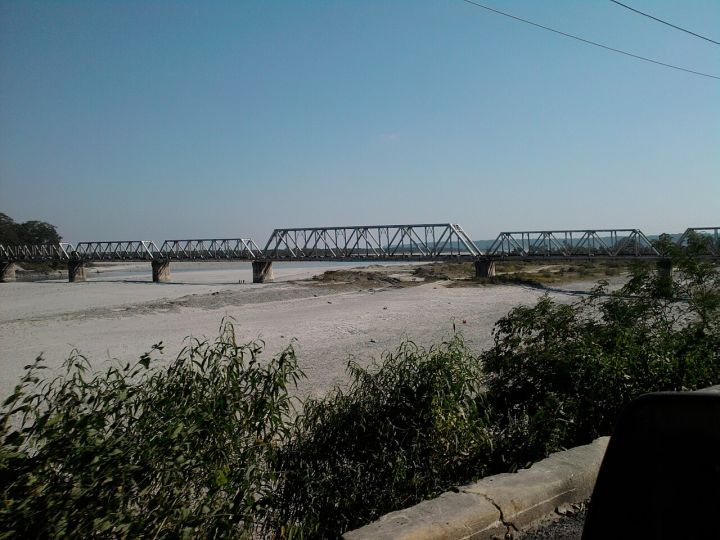
📷 Image: Wikimedia Commons / Krushna Sundar
Weather
Muddy waters in Kalijhora as North Sikkim landslide swells Teesta River
✍️ India Today NE
🗓 06 Sep 2026, 10:03 PM
👁 5
A major landslide in North Sikkim has caused the Teesta River to turn muddy at Kalijhora, raising concerns among local residents.
A large landslide struck the mountainous terrain of North Sikkim earlier today, dislodging a significant volume of soil and debris. The displaced material entered the Teesta River near the Kalijhora stretch, turning the water a distinct brown colour.
Local authorities reported that the sudden influx of sediment has reduced water clarity but, so far, there are no indications of a breach or flood downstream. Residents along the riverbank were advised to avoid direct contact with the water until further assessments are completed.
The district disaster management team has been dispatched to monitor the situation and to clear the riverbank where possible. Officials said they will continue to evaluate the stability of the slope to prevent additional slides and to ensure the safety of communities that depend on the Teesta for drinking water and irrigation.
Preliminary checks indicated that the landslide was triggered by heavy monsoon rains that have persisted over the past week, a pattern consistent with recent weather-related incidents across the Himalayan region.
Local authorities reported that the sudden influx of sediment has reduced water clarity but, so far, there are no indications of a breach or flood downstream. Residents along the riverbank were advised to avoid direct contact with the water until further assessments are completed.
The district disaster management team has been dispatched to monitor the situation and to clear the riverbank where possible. Officials said they will continue to evaluate the stability of the slope to prevent additional slides and to ensure the safety of communities that depend on the Teesta for drinking water and irrigation.
Preliminary checks indicated that the landslide was triggered by heavy monsoon rains that have persisted over the past week, a pattern consistent with recent weather-related incidents across the Himalayan region.