
📷 Image: TOI India (via NewsData)
Health
Monsoon Illnesses Often Misdiagnosed: Symptom Overlap and Testing Gaps
✍️ TOI India
🗓 25 Jul 2026, 07:06 PM
👁 42
During the rainy season, dengue and chikungunya surge, but their symptoms mirror common viral fevers, leading to frequent misdiagnosis. Limited diagnostic infrastructure and climate‑driven breeding habitats exacerbate the problem.
Monsoon season sees a sharp rise in vector‑borne illnesses such as dengue and chikungunya, yet the clinical picture of these diseases closely resembles that of common viral fevers. Fever, headache, joint pain and rash are shared symptoms, making early differentiation difficult for clinicians.
Because the signs are so similar, many patients are initially treated for generic viral infections, delaying the initiation of specific antiviral or supportive therapies that are crucial for dengue and chikungunya. This misdiagnosis can worsen outcomes, especially in vulnerable groups.
A key driver of the problem is the gap in diagnostic infrastructure. Many hospitals, particularly in rural areas, lack rapid test kits and trained personnel to conduct confirmatory investigations. The shortage of laboratory capacity leads to extended waiting times for results.
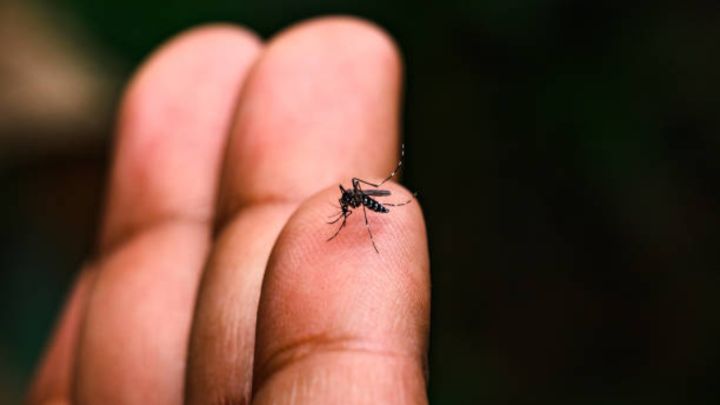
Climate change and rapid urbanization have expanded breeding habitats for Aedes mosquitoes, creating year‑round transmission potential. Public health authorities emphasize that timely medical care is essential for infants and children who face heightened monsoon health risks.
Because the signs are so similar, many patients are initially treated for generic viral infections, delaying the initiation of specific antiviral or supportive therapies that are crucial for dengue and chikungunya. This misdiagnosis can worsen outcomes, especially in vulnerable groups.
A key driver of the problem is the gap in diagnostic infrastructure. Many hospitals, particularly in rural areas, lack rapid test kits and trained personnel to conduct confirmatory investigations. The shortage of laboratory capacity leads to extended waiting times for results.
Climate change and rapid urbanization have expanded breeding habitats for Aedes mosquitoes, creating year‑round transmission potential. Public health authorities emphasize that timely medical care is essential for infants and children who face heightened monsoon health risks.