
📷 Image: Wikimedia Commons / AshLin
Religion
Monpa Buddhists in Arunachal Pradesh Cut Deceased into 108 Pieces for Water Burial
✍️ The Times of India
🗓 15 Aug 2026, 05:48 PM
👁 54
In a ritual observed by the Monpa Buddhist community, a deceased was dissected into 108 parts before being submerged in a water burial, a practice rooted in their spiritual beliefs.
The Monpa Buddhist community in Arunachal Pradesh recently carried out a traditional ceremony in which a deceased person was cut into 108 pieces before being placed in a water burial. The act is part of a long‑standing ritual that reflects the community’s spiritual beliefs and cultural practices.
The number 108 holds symbolic importance in many Buddhist traditions, representing completeness and the cycle of life. By dividing the body into this specific number of parts, the community believes it facilitates the soul’s journey and honors the teachings of their faith.
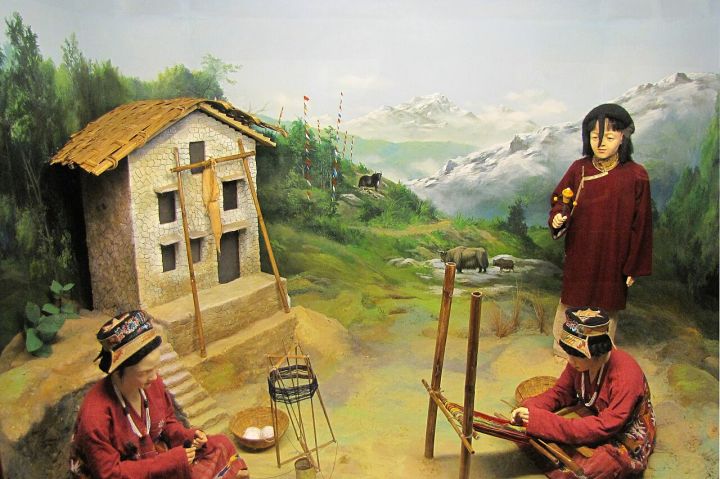
The Monpa people, who reside in the northeastern state of Arunachal Pradesh, maintain a distinct blend of Buddhist and indigenous customs. Water burial, a method of disposing of the dead, is one of the rites that underscores their reverence for nature and the afterlife.
The Times of India reported the event, noting that the ritual was performed with solemnity and adherence to traditional protocols. The ceremony was attended by local monks and community members, who observed the rites with respect and reverence.
The number 108 holds symbolic importance in many Buddhist traditions, representing completeness and the cycle of life. By dividing the body into this specific number of parts, the community believes it facilitates the soul’s journey and honors the teachings of their faith.
The Monpa people, who reside in the northeastern state of Arunachal Pradesh, maintain a distinct blend of Buddhist and indigenous customs. Water burial, a method of disposing of the dead, is one of the rites that underscores their reverence for nature and the afterlife.
The Times of India reported the event, noting that the ritual was performed with solemnity and adherence to traditional protocols. The ceremony was attended by local monks and community members, who observed the rites with respect and reverence.