
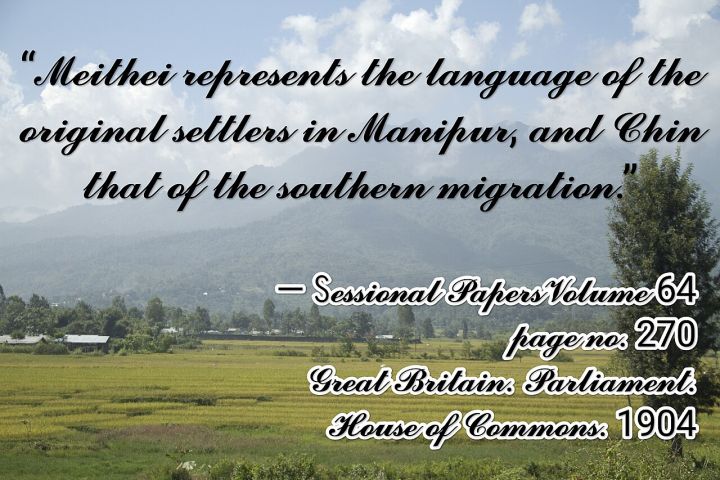
📷 Image: Wikimedia Commons / Jakfoto Productions (for the background image)
&
Politics
Manipur’s Chin‑Kuki identity debate fuels ongoing conflict
✍️ Deccan Herald
🗓 22 Aug 2026, 02:37 AM
👁 4
The debate over the ethnic identity of the Chin‑Kuki community lies at the core of Manipur’s protracted unrest, shaping political discourse and security measures in the state.
Manipur’s volatile situation continues to be driven by an identity dispute surrounding the Chin‑Kuki community, a group whose ethnic classification remains contested by various political factions and civil society groups. The controversy centers on whether the Chin‑Kukis should be recognised as a distinct tribe, a sub‑group of existing tribal categories, or as part of the broader Meitei‑Kuki spectrum, a question that influences reservation policies and local governance.
State officials have repeatedly highlighted the sensitivity of the issue, noting that any shift in official recognition could alter the balance of power in the state’s legislative assembly and affect the allocation of development funds. Recent meetings between the Manipur government, tribal councils, and human‑rights organisations have failed to produce a consensus, with each side citing historical records and demographic data to support their stance.
The impasse has also manifested on the ground, with sporadic protests and occasional clashes reported in districts such as Churachandpur and Imphal. Security forces have been deployed to prevent escalation, while political leaders from both the ruling party and opposition urge dialogue. Analysts warn that without a clear resolution, the identity debate may further entrench communal divisions and impede peace‑building efforts.
Experts suggest that a transparent, data‑driven approach—potentially involving an independent commission—could help clarify the Chin‑Kuki’s status and pave the way for a durable political settlement. Until then, the identity question remains a flashpoint in Manipur’s broader conflict landscape.
State officials have repeatedly highlighted the sensitivity of the issue, noting that any shift in official recognition could alter the balance of power in the state’s legislative assembly and affect the allocation of development funds. Recent meetings between the Manipur government, tribal councils, and human‑rights organisations have failed to produce a consensus, with each side citing historical records and demographic data to support their stance.
The impasse has also manifested on the ground, with sporadic protests and occasional clashes reported in districts such as Churachandpur and Imphal. Security forces have been deployed to prevent escalation, while political leaders from both the ruling party and opposition urge dialogue. Analysts warn that without a clear resolution, the identity debate may further entrench communal divisions and impede peace‑building efforts.
Experts suggest that a transparent, data‑driven approach—potentially involving an independent commission—could help clarify the Chin‑Kuki’s status and pave the way for a durable political settlement. Until then, the identity question remains a flashpoint in Manipur’s broader conflict landscape.