
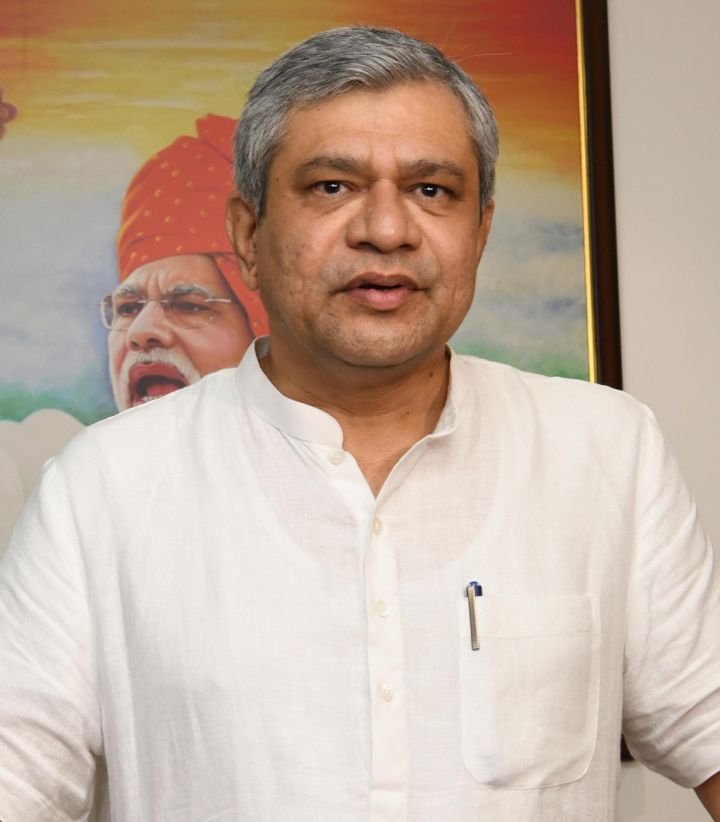
📷 Image: Wikimedia Commons / Ministry of Railways
Technology
Make in India to shift from phone assembly to component manufacturing, says Minister Ashwini Vaishnaw
✍️ varindia
🗓 27 Sep 2026, 07:46 AM
👁 10
Minister Ashwini Vaishnaw announced that the Make in India programme will now focus on producing the internal components of smartphones, not just assembling them.
New Delhi, Sept 27 (Varindia) – In a statement to the press, Electronics and Information Technology Minister Ashwini Vaishnaw said the Make in India initiative is being expanded to include the manufacturing of core smartphone components such as processors, camera modules and display panels. The move aims to reduce India’s reliance on imported parts and create a more resilient domestic supply chain.
Vaishnaw outlined that the government will introduce fiscal incentives, streamlined customs procedures and dedicated technology parks to attract global and Indian firms to set up component production facilities. He emphasized that the policy shift is part of a broader strategy to position India as a hub for high‑value electronics manufacturing.
Industry analysts view the announcement as a timely response to global supply‑chain disruptions and the growing demand for locally sourced smartphone parts. The ministry plans to roll out detailed guidelines in the coming weeks, with an eye on achieving significant volume of component output by 2027.
Vaishnaw outlined that the government will introduce fiscal incentives, streamlined customs procedures and dedicated technology parks to attract global and Indian firms to set up component production facilities. He emphasized that the policy shift is part of a broader strategy to position India as a hub for high‑value electronics manufacturing.
Industry analysts view the announcement as a timely response to global supply‑chain disruptions and the growing demand for locally sourced smartphone parts. The ministry plans to roll out detailed guidelines in the coming weeks, with an eye on achieving significant volume of component output by 2027.