
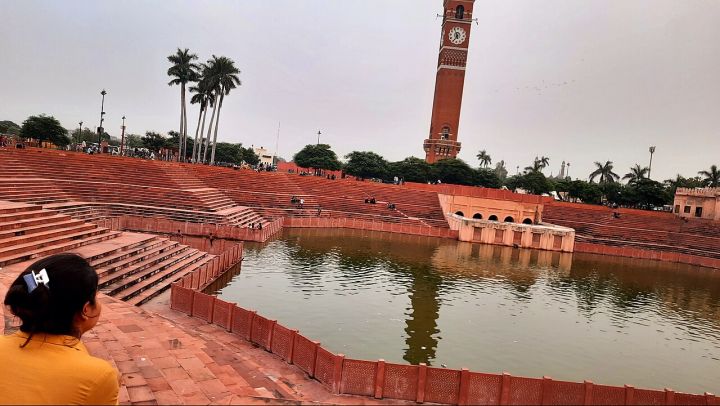
📷 Image: Wikimedia Commons / Tahira03
Weather
Lucknow to Host New Regional Meteorological Centre as India Rolls Out 100 Weather Radars
✍️ DD News
🗓 18 Sep 2026, 08:16 PM
👁 12
The Indian Meteorological Department has approved a Regional Meteorological Centre in Lucknow, part of a broader plan to install 100 weather radars across the country under Mission Mausam.
The Ministry of Earth Sciences has cleared the establishment of a Regional Meteorological Centre (RMC) in Lucknow, Uttar Pradesh. The centre will serve as a hub for weather data collection, analysis and dissemination for the northern region of the country.
The move aligns with Mission Mausam, the government’s coastal and maritime safety initiative that includes the deployment of 100 advanced weather radars nationwide. These radars are intended to improve real‑time monitoring of atmospheric conditions, especially during the monsoon season.
Officials said the Lucknow RMC will integrate data from the new radar network with existing satellite and ground observations, enabling more accurate short‑term forecasts and early warnings for floods, cyclones and severe storms. The centre is expected to become operational by early next year.
The enhanced forecasting capability is anticipated to benefit agriculture, disaster management agencies and the general public across Uttar Pradesh and neighboring states, reducing vulnerability to weather‑related hazards.
The move aligns with Mission Mausam, the government’s coastal and maritime safety initiative that includes the deployment of 100 advanced weather radars nationwide. These radars are intended to improve real‑time monitoring of atmospheric conditions, especially during the monsoon season.
Officials said the Lucknow RMC will integrate data from the new radar network with existing satellite and ground observations, enabling more accurate short‑term forecasts and early warnings for floods, cyclones and severe storms. The centre is expected to become operational by early next year.
The enhanced forecasting capability is anticipated to benefit agriculture, disaster management agencies and the general public across Uttar Pradesh and neighboring states, reducing vulnerability to weather‑related hazards.