
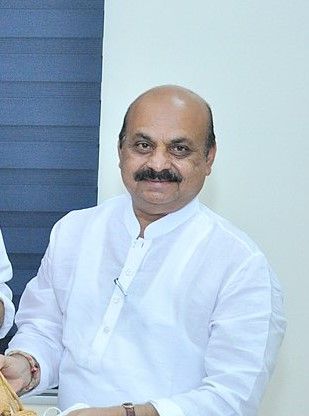
📷 Image: Wikimedia Commons / Ministry of Defence
Weather
Karnataka CM D K Shivakumar warns of water and power shortages as drought deepens
✍️ The Times of India
🗓 16 Sep 2026, 10:46 AM
👁 9
Chief Minister D K Shivakumar told residents to brace for reduced water supply and possible power cuts as the state grapples with a severe drought.
Bengaluru: Karnataka's Chief Minister D K Shivakumar addressed the public on Thursday, urging people to be mentally prepared for a shortage of water and electricity as the state faces an intensifying drought. He highlighted that rainfall deficits over the past months have pushed reservoirs and groundwater levels to critically low points.
Shivakumar warned that the state may have to impose scheduled power cuts and ration water supplies in several districts if the situation does not improve. He asked households and businesses to conserve water, avoid non‑essential usage, and cooperate with utility providers.
The drought has already impacted agriculture, with many farmers reporting wilting crops and reduced yields. The government is accelerating relief measures, including releasing water from distant reservoirs and providing subsidies for drip‑irrigation systems.
Officials also appealed for public participation in water‑saving campaigns and promised to monitor power distribution closely to minimise disruptions while ensuring essential services remain functional.
Shivakumar warned that the state may have to impose scheduled power cuts and ration water supplies in several districts if the situation does not improve. He asked households and businesses to conserve water, avoid non‑essential usage, and cooperate with utility providers.
The drought has already impacted agriculture, with many farmers reporting wilting crops and reduced yields. The government is accelerating relief measures, including releasing water from distant reservoirs and providing subsidies for drip‑irrigation systems.
Officials also appealed for public participation in water‑saving campaigns and promised to monitor power distribution closely to minimise disruptions while ensuring essential services remain functional.