
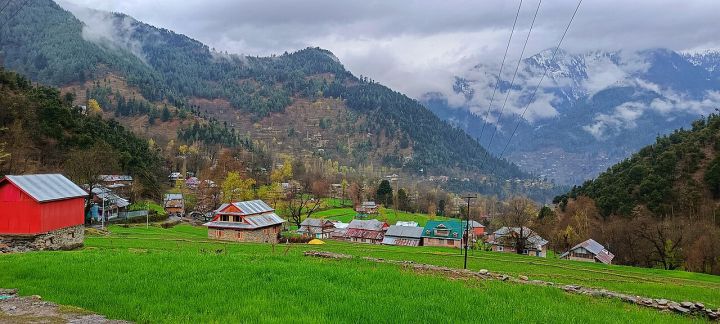
📷 Image: Wikimedia Commons / Iqbal mir javaid
Local
Karnah Administration Orders Residents of High‑Altitude Dhoks to Return to Villages
✍️ Kashmir Life
🗓 07 Oct 2026, 05:46 PM
👁 11
The Karnah sub‑division administration has instructed people living in remote high‑altitude dhoks to move back to their main villages, citing safety concerns.
The administration of Karnah, a sub‑division in Kupwara district of Jammu and Kashmir, issued an advisory today directing residents of scattered high‑altitude habitations, known locally as dhoks, to return to their permanent villages. The order was communicated through local officials and posted on the sub‑division’s notice boards.
Officials said the move is prompted by deteriorating weather conditions and heightened risk of landslides that have made the remote dhoks difficult to access and unsafe for habitation. The area, situated at elevations above 2,500 metres, has seen intermittent snowfall and unstable slopes in recent weeks.
The administration has promised to arrange transport and basic relief supplies for families relocating to the villages. Residents are asked to complete the move within the next 48 hours, after which security personnel will monitor the vacated dhoks to prevent any unauthorized re‑occupation.
Local leaders welcomed the decision, noting that it will reduce the burden on rescue teams and ensure that vulnerable populations are not stranded in hazardous terrain.
Officials said the move is prompted by deteriorating weather conditions and heightened risk of landslides that have made the remote dhoks difficult to access and unsafe for habitation. The area, situated at elevations above 2,500 metres, has seen intermittent snowfall and unstable slopes in recent weeks.
The administration has promised to arrange transport and basic relief supplies for families relocating to the villages. Residents are asked to complete the move within the next 48 hours, after which security personnel will monitor the vacated dhoks to prevent any unauthorized re‑occupation.
Local leaders welcomed the decision, noting that it will reduce the burden on rescue teams and ensure that vulnerable populations are not stranded in hazardous terrain.