
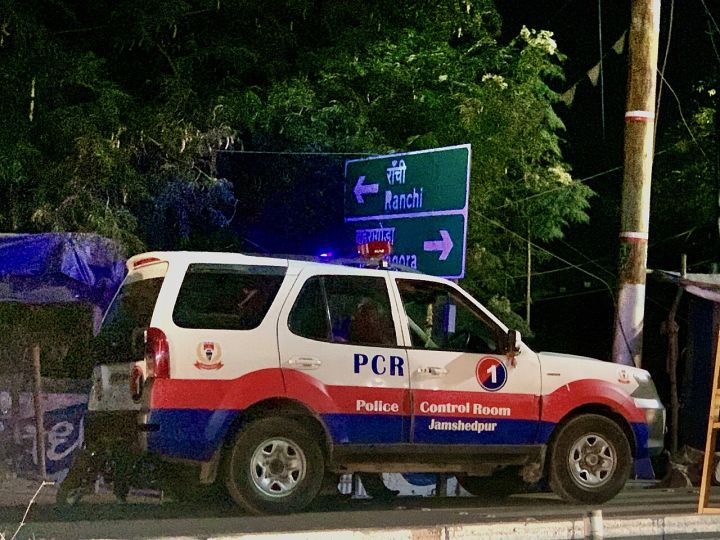
📷 Image: Wikimedia Commons / Ank Kumar
Politics
Jharkhand DGP Appointment One Day Before Retirement Violates Supreme Court Guidelines
✍️ Live Law
🗓 08 Sep 2026, 10:49 PM
👁 4
The appointment of a senior officer as Jharkhand's Director General of Police (DGP) on the day before his retirement has been flagged as a breach of Supreme Court guidelines, according to an amicus curiae filing.
A senior officer was appointed as the Director General of Police (DGP) of Jharkhand on the very day preceding his retirement, a move that has attracted criticism for violating Supreme Court guidelines on senior police appointments. The Supreme Court has issued directives that prohibit the appointment of a DGP within 30 days of a retiree’s last working day, a rule designed to prevent last‑minute promotions that could undermine the integrity of the service.
An amicus curiae has filed a petition arguing that the appointment contravenes the Court’s directives and could set a dangerous precedent for future appointments. The petition contends that such a decision undermines the merit‑based system and may erode public confidence in the police hierarchy.
The Jharkhand Police Department has not yet released an official statement regarding the appointment or the legal challenge. The case is expected to be heard by the Supreme Court in the coming weeks, where the court will examine whether the appointment was made in compliance with its established guidelines.
If the Supreme Court finds the appointment unlawful, it could order the officer to be removed from the post or face other remedial measures. The decision will also prompt a review of appointment procedures across other states to ensure adherence to the Court’s directives.
An amicus curiae has filed a petition arguing that the appointment contravenes the Court’s directives and could set a dangerous precedent for future appointments. The petition contends that such a decision undermines the merit‑based system and may erode public confidence in the police hierarchy.
The Jharkhand Police Department has not yet released an official statement regarding the appointment or the legal challenge. The case is expected to be heard by the Supreme Court in the coming weeks, where the court will examine whether the appointment was made in compliance with its established guidelines.
If the Supreme Court finds the appointment unlawful, it could order the officer to be removed from the post or face other remedial measures. The decision will also prompt a review of appointment procedures across other states to ensure adherence to the Court’s directives.