
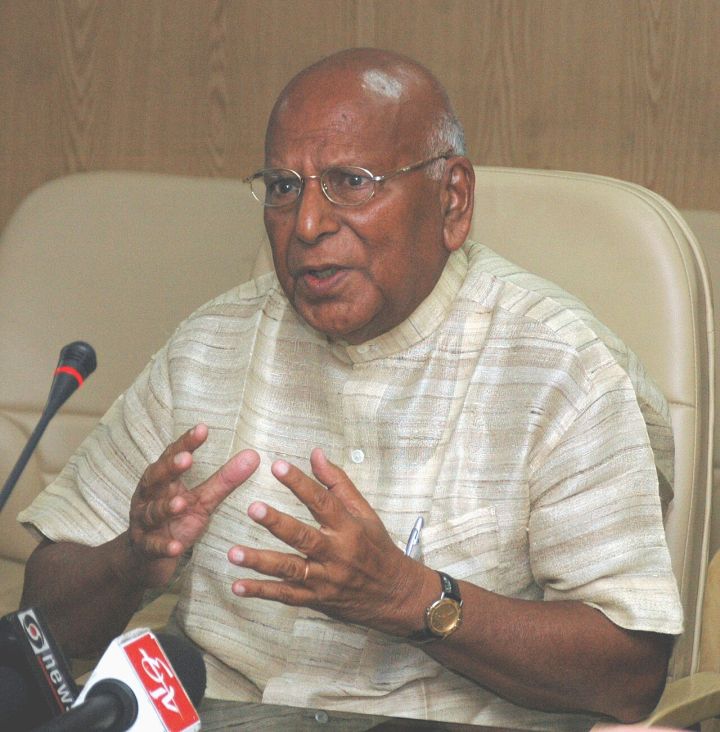
📷 Image: Wikimedia Commons / Planning Commission
Health
India's Fertility Rate Falls to 1.9, EAC‑PM Urges Policy Review
✍️ Vibes Of India
🗓 19 Sep 2026, 09:02 AM
👁 13
The latest demographic data shows India's total fertility rate has slipped to 1.9, prompting the Economic Advisory Council to the Prime Minister to recommend a rethink of related policies.
The most recent demographic survey indicates that India's total fertility rate (TFR) has declined to 1.9 children per woman, a level below the replacement threshold of 2.1. This marks a continued downward trend that policymakers have been monitoring for several years.
In response, the Economic Advisory Council to the Prime Minister (EAC‑PM) released a paper urging the government to reassess family‑planning, health and social welfare measures. The council argues that a sustained low fertility rate could have long‑term implications for the labour force, economic growth and the age‑dependency ratio.
The advisory note recommends a balanced approach that combines incentives for childbearing with improvements in maternal health, education and employment opportunities for women. It also calls for enhanced data collection to better track regional variations in fertility.
While the government has not yet announced specific policy changes, the EAC‑PM paper is expected to shape upcoming discussions in the Ministry of Health and Family Welfare and the Ministry of Finance. Analysts say that any shift in policy will need to address both the socioeconomic drivers of low fertility and the potential demographic dividend.
The decline to a TFR of 1.9 underscores the urgency of a coordinated response, as India navigates the transition from a young to an ageing population.
In response, the Economic Advisory Council to the Prime Minister (EAC‑PM) released a paper urging the government to reassess family‑planning, health and social welfare measures. The council argues that a sustained low fertility rate could have long‑term implications for the labour force, economic growth and the age‑dependency ratio.
The advisory note recommends a balanced approach that combines incentives for childbearing with improvements in maternal health, education and employment opportunities for women. It also calls for enhanced data collection to better track regional variations in fertility.
While the government has not yet announced specific policy changes, the EAC‑PM paper is expected to shape upcoming discussions in the Ministry of Health and Family Welfare and the Ministry of Finance. Analysts say that any shift in policy will need to address both the socioeconomic drivers of low fertility and the potential demographic dividend.
The decline to a TFR of 1.9 underscores the urgency of a coordinated response, as India navigates the transition from a young to an ageing population.