
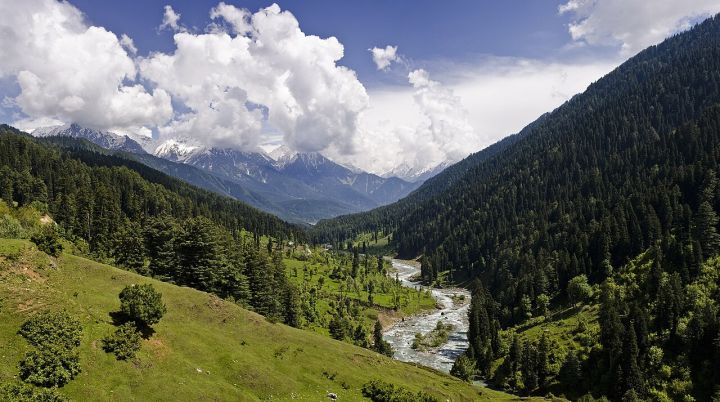
📷 Image: Wikimedia Commons / KennyOMG
Politics
India Redraws Kashmir’s Demographics and Politics, From Autonomy to Settler Colonialism
✍️ Middle East Eye
🗓 09 Aug 2026, 04:38 PM
👁 43
India has shifted Kashmir from a largely autonomous region to a model resembling settler colonialism, altering its demographic makeup and political structures, according to a Middle East Eye analysis.
A recent piece by Middle East Eye examines how India has transformed Kashmir’s political and demographic landscape, moving the region from a status of relative autonomy to one that mirrors settler colonialism. The analysis points to a series of policy shifts that have reconfigured governance structures, legal frameworks, and population dynamics within the former autonomous area.
Key changes highlighted include the integration of Kashmir into broader national administrative systems, the alteration of land ownership laws, and the promotion of settlement by non‑Kashmiris. These measures have reshaped the region’s demographic profile, increasing the presence of people from other parts of India.
The article argues that these reforms represent a deliberate strategy to dilute the distinct cultural and political identity of Kashmir, aligning it more closely with the central Indian state model. It also notes that the shift has sparked debate over the implications for local representation and civil rights.
While the piece does not provide exhaustive statistics, it underscores that the transition from autonomy to a settler‑colonial framework has had profound effects on Kashmir’s social fabric and political agency.
Key changes highlighted include the integration of Kashmir into broader national administrative systems, the alteration of land ownership laws, and the promotion of settlement by non‑Kashmiris. These measures have reshaped the region’s demographic profile, increasing the presence of people from other parts of India.
The article argues that these reforms represent a deliberate strategy to dilute the distinct cultural and political identity of Kashmir, aligning it more closely with the central Indian state model. It also notes that the shift has sparked debate over the implications for local representation and civil rights.
While the piece does not provide exhaustive statistics, it underscores that the transition from autonomy to a settler‑colonial framework has had profound effects on Kashmir’s social fabric and political agency.