
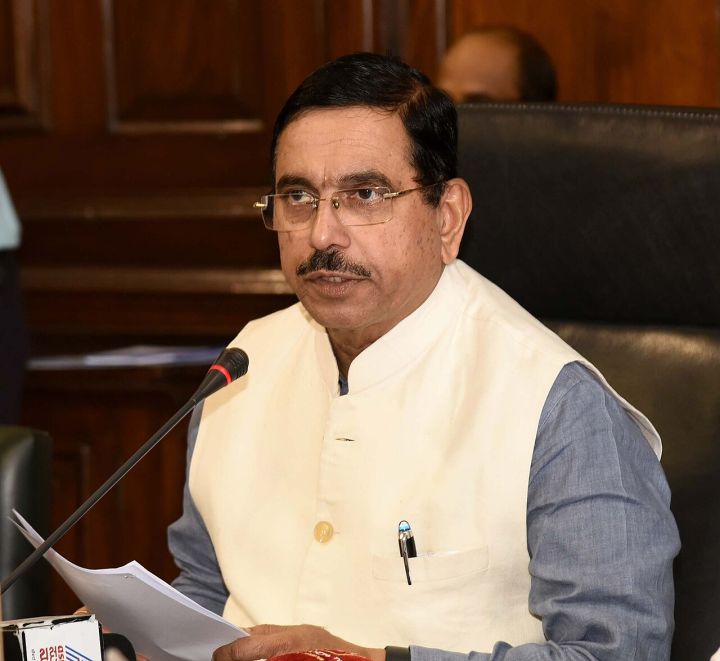
📷 Image: Wikimedia Commons / Ministry of Parliamentary Affairs
Business
India Nears 300 GW Milestone in Non‑Fossil Fuel Power Capacity
✍️ Asianet Newsable
🗓 24 Jul 2026, 03:48 PM
👁 48
India is poised to surpass 300 GW of non‑fossil fuel power capacity, according to Pralhad Joshi, signalling a significant boost in the country’s renewable energy infrastructure.
Pralhad Joshi, a senior government official, announced that India is on track to exceed 300 gigawatts of non‑fossil fuel power capacity in the near future. The statement comes as part of the nation’s ongoing push to expand renewable energy generation.
India has been steadily adding solar, wind, hydroelectric and other renewable projects over the past decade. The cumulative capacity from these sources has grown from a few hundred megawatts to several hundred gigawatts, and the latest figures indicate that the 300‑GW threshold is within reach.
Reaching this milestone is expected to strengthen India’s energy security, reduce dependence on imported fuels, and help the country meet its climate‑change commitments. It also reflects the success of national policies that have encouraged private investment in clean energy.
The government has set further targets for the coming years, aiming to increase the share of renewable power in the national grid. Achieving 300 GW of non‑fossil fuel capacity marks a key step toward those long‑term goals.
India has been steadily adding solar, wind, hydroelectric and other renewable projects over the past decade. The cumulative capacity from these sources has grown from a few hundred megawatts to several hundred gigawatts, and the latest figures indicate that the 300‑GW threshold is within reach.
Reaching this milestone is expected to strengthen India’s energy security, reduce dependence on imported fuels, and help the country meet its climate‑change commitments. It also reflects the success of national policies that have encouraged private investment in clean energy.
The government has set further targets for the coming years, aiming to increase the share of renewable power in the national grid. Achieving 300 GW of non‑fossil fuel capacity marks a key step toward those long‑term goals.