
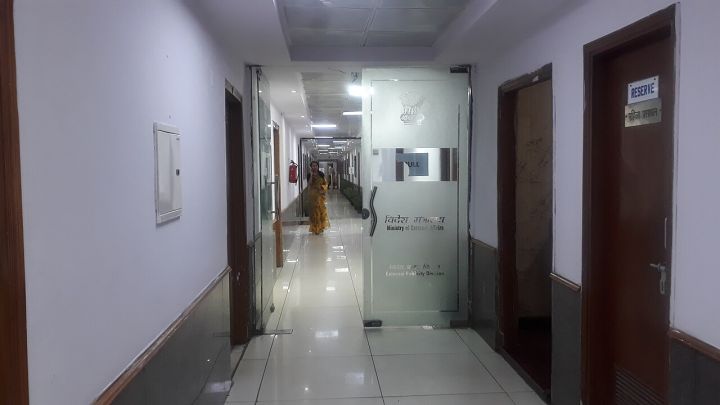
📷 Image: Wikimedia Commons / Pinakpani
Sarkari Yojana
India Introduces SOP to Pre‑Authenticate Documents for Overseas Use
✍️ The Times of India
🗓 15 Aug 2026, 06:05 AM
👁 7
The Government has unveiled a Standard Operating Procedure to pre‑authenticate documents that will be used abroad, aiming to streamline verification processes for Indian citizens.
The Government today announced a new Standard Operating Procedure (SOP) that will allow Indian citizens to have their documents pre‑authenticated before they are sent abroad. The SOP covers a range of documents, including birth certificates, educational certificates, and other legal papers that are often required by foreign embassies and institutions.
The procedure will be administered jointly by the Ministry of External Affairs and the Ministry of Home Affairs. Applicants will submit their documents to a designated office, where they will undergo verification and receive a pre‑authentication stamp. The stamped documents can then be forwarded to the relevant foreign embassy or consulate.
By introducing this SOP, the government hopes to reduce the time and cost involved in obtaining overseas authentication. Citizens will no longer need to wait for separate consular verification after the documents have reached the destination country.
The move is part of a broader effort to facilitate overseas education, employment, and migration for Indians. It is expected to make the process of securing foreign visas and registrations smoother and more transparent.
The procedure will be administered jointly by the Ministry of External Affairs and the Ministry of Home Affairs. Applicants will submit their documents to a designated office, where they will undergo verification and receive a pre‑authentication stamp. The stamped documents can then be forwarded to the relevant foreign embassy or consulate.
By introducing this SOP, the government hopes to reduce the time and cost involved in obtaining overseas authentication. Citizens will no longer need to wait for separate consular verification after the documents have reached the destination country.
The move is part of a broader effort to facilitate overseas education, employment, and migration for Indians. It is expected to make the process of securing foreign visas and registrations smoother and more transparent.