
📷 Image: Wikimedia Commons / NOAA
Weather
India Faces 55,000 Heat Deaths Forecasted by March 2027 Amid Super El Nino
✍️ Kanak News Odisha
🗓 12 Nov 2026, 08:01 PM
👁 9
A super El Nino event is expected to trigger a heat wave that could claim up to 55,000 lives in India by March 2027, according to a warning issued by Kanak News Odisha. The forecast highlights the severe health risks posed by rising temperatures across the country.
Kanak News Odisha has issued a warning that a super El Nino event could trigger a severe heat wave in India, potentially leading to as many as 55,000 heat‑related deaths by March 2027.
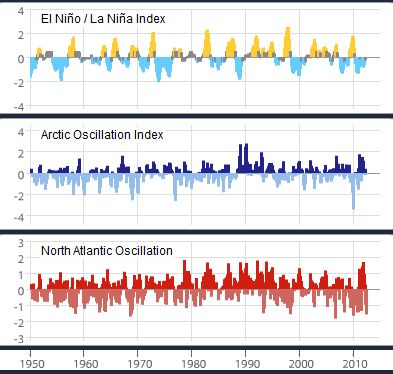
El Nino, a climatic phenomenon that raises sea surface temperatures in the Pacific, is known to intensify heat waves across the Indian subcontinent. The forecast underscores the urgent need for public health measures and preparedness.
Health officials warn that prolonged exposure to high temperatures can cause heat exhaustion, heatstroke and exacerbate chronic conditions, especially among vulnerable populations such as the elderly and children.
The government is urged to strengthen heat‑action plans, expand cooling centers, and launch public awareness campaigns to mitigate the impending crisis.
The alert serves as a stark reminder of the growing impact of climate change on public health and the importance of timely interventions.